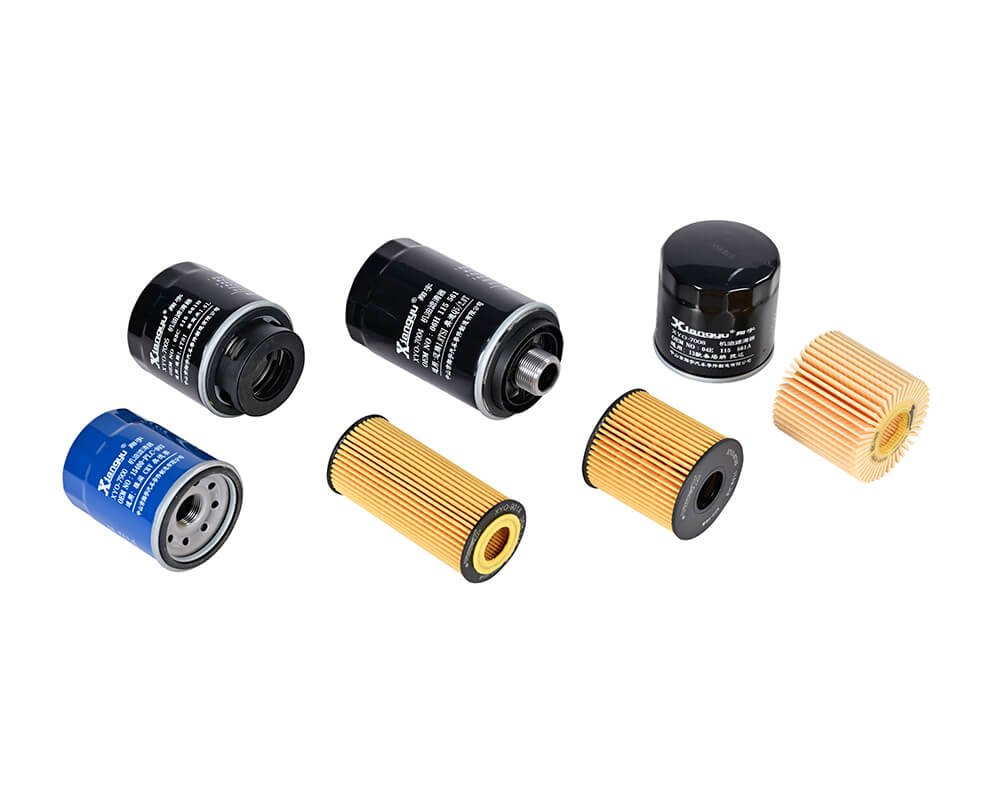
I see many buyers worry about fit and quality. The wrong oil filter risks engines and margins. The right one saves cost and time. I break it down with clear fit guidance and real tests from Runex Auto.
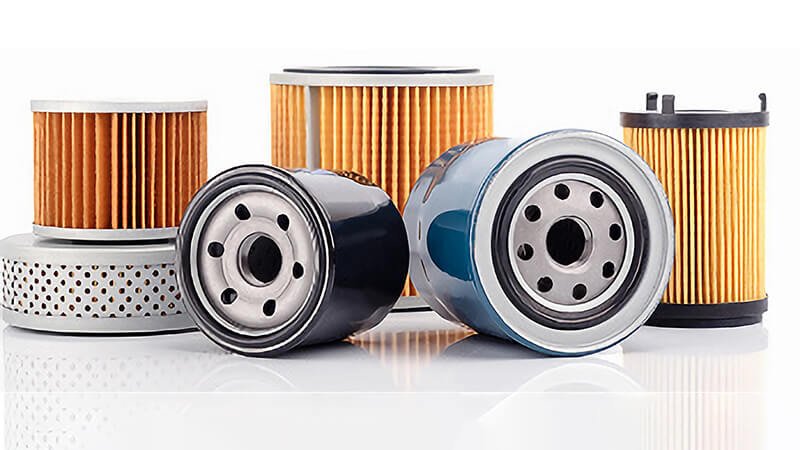
A PH3614 oil filter fits many popular cars and light trucks. It covers models like Ford F-150, Chevrolet Silverado, Toyota Camry, and Nissan Altima. It works with many gasoline and some diesel engines. I explain fit checks, risks, and best brands next.
I keep this simple and practical. I share how I confirm fit, why the wrong filter hurts engines, and how I judge “best.” I also share how our Runex oil filters meet these checks in daily B2B work.
What car does a PH3614 oil filter fit?
I know fit is the first question. Buyers hate returns and claims. Drivers hate warning lights and leaks. I use clear cross references, thread specs, gasket size, and bypass settings. Then I confirm with field data and SKU mapping.
A PH3614 oil filter fits a broad range of vehicles. It covers top sellers like Ford F-150, Chevrolet Silverado, Toyota Camry, and Nissan Altima. It suits many gasoline engines and some diesel applications. Always check year, engine code, and trim before you ship or install.
How I map PH3614 fit fast
I start with the base geometry. Thread size, gasket diameter, and can height must match the housing. I check bypass valve1 setting and anti-drainback needs. Cold start behavior matters in the UK and EU. I look at OEM specs and at real fleets.
I keep a clean chain of proof. First, I use our Runex database2 with OE cross references. Second, I verify with two public catalogs. Third, I confirm with a sample fit on the target engine family, when possible. This three-step approach reduces returns and labor time.
I use the B2B insight that PH3614 is a wide-cover part. It fits many high-volume models, like Ford F-150, Chevrolet Silverado, Toyota Camry, and Nissan Altima. This helps distributors cut SKU count. It also helps mechanics keep stock lean. Still, I insist on checking engine code and year. Mid-cycle changes happen.
Our Runex PH3614-equivalent filter uses a high-strength can3. It handles pressure spikes in cold starts. The silicone anti-drainback valve4 keeps oil in the gallery, so starts are quiet. The bypass valve opens at a stable set point, so flow is safe if the media loads up. The media uses blended cellulose and synthetic fibers. It balances dirt hold and flow. This gives longer service and stable delta-p across the OCI.
Quick reference table
| Check item | PH3614 common spec (guide) | Why it matters |
|---|---|---|
| Thread | 3/4-16 UNF (typical) | Thread must match to seal and align |
| Gasket OD | ~2.7–2.8 in | Seats on the housing land without pinch |
| Height | ~3.4–3.6 in | Clears components and supports bypass flow |
| Bypass | ~12–15 psi typical | Protects engine when media is loaded |
| ADBV | Silicone preferred | Better cold seal and long life |
I also share a client story. A UK distributor struggled with mixed stock and slow returns handling. They switched to a PH3614 path for the broad applications above. Their team reported smoother picking and fewer returns. Their mechanics liked the quiet starts and clean threads. This is why I rely on both data and field reports.

How do I know if my oil filter will fit my car?
I want zero guesswork. I use five simple checks: part number cross, thread match, gasket seat, can clearance, and bypass/ADBV match. I then run a dry fit and a torque check. This takes minutes and prevents claims.
I confirm oil filter fit with a cross-reference, thread and gasket measurement, and by checking bypass and anti-drainback needs. I test a dry fit and a torque to spec. When I see doubt, I step back and use the VIN or engine code to confirm.
My 7-step fit checklist
I keep it simple so my team can repeat it.
1) Cross-reference: I match the OEM number to our Runex number and to a PH3614 type where relevant. I use at least two sources.
2) Thread size and pitch: I measure with a gauge. A 3/4-16 UNF thread is common for PH3614-type parts.
3) Gasket diameter and land: I check the seat width and OD/ID. The gasket must sit flat without overhang.
4) Can height and OD: I check space near sensors and the subframe. I make sure the filter can be removed with a strap or cap tool.
5) Bypass valve spec: I check the target engine’s recommended bypass range. I make sure our part is inside tolerance.
6) ADBV material4: I choose silicone for cold climates and long drains. Nitrile can work, but silicone lasts longer.
7) Dry fit and torque: I hand tighten, then torque to the spec or follow the gasket-turn rule. I check for leaks after a short run.
What Runex builds in to make this easier
Our Runex oil filters use tight thread rolling and a flat gasket face. This makes installation smooth. Our gaskets use high-grade NBR or silicone, based on the duty. The can is thicker than many budget parts, so it resists crush and installs clean.
We print the torque guidance5 and the turn-to-seat mark on the can. We also print the bypass range and the country of manufacture. This supports garage audits and ISO needs.
Reference table for quick checks
| Item | Good sign | Red flag |
|---|---|---|
| Thread start | Spins on by hand | Binds or cross-threads |
| Gasket seat | Even contact all around | Visible gap or pinch |
| Clearance | Full tool access | Hits bracket or sensor |
| Cold start | Quiet, steady pressure | Rattle or delayed pressure |
| After run | No seep at gasket | Oil ring or drips |
Why this matters in B2B work
Procurement teams like clear SOPs. My checklist reduces returns and call time. It makes training simple for new technicians. It also helps with warranty reviews. If the filter passes the seven checks, we have clean data to support the claim.
Runex supports this with application data, sample kits, and a hotline. I prefer fast, clear answers. My team gives fit notes and torque tips in under five minutes. This keeps garages moving.
Is it bad to drive with the wrong oil filter?
Yes, it is bad. The wrong filter can starve oil flow, leak, or drop media into the system. I have seen engines fail from this. The cost is high, and the fix is slow.
Driving with the wrong oil filter risks low oil pressure, leaks, bypass failure, and media collapse. It can damage bearings, cams, and turbos. If you used the wrong filter, stop, replace it with the right part, and check for pressure and leaks.
Main risks I see in the field
I see three main failure modes. First, threading or gasket mismatch6. The filter looks tight, but it is not centered. This can blow out under pressure. Oil dumps out, and the engine runs dry. Second, bypass mismatch7. If the bypass opens too high, pressure drops across the media. The engine starves under load. If it opens too low, dirty oil flows straight through. Third, poor ADBV seal8. Oil drains back. Starts are dry and loud.
Turbo engines suffer most. The turbo spins fast and needs steady flow. Low pressure marks the bearings. The damage may not show at once. It builds over weeks. Diesel engines also need strong seals because of higher soot load. Wrong media can load too fast and trigger bypass too often.
How Runex reduces these risks
Runex oil filters9 use verified threads and gasket geometry. We hold tight tolerances on bypass springs. We test ADBV sealing after heat cycles. Our media has strong pleat stability and a firm center tube. It resists collapse at cold start delta-p. We test to burst pressure targets above common duty. We also salt-spray test the can and base plate to resist corrosion in winter.
We pack each filter with a clean cap and a sealed bag. This keeps dust out of the filter cavity. I want the first oil to be clean. I add batch trace labels for audit and recall control. This is basic, but it prevents big problems.
Preventive actions table
| Action | What I do | Result |
|---|---|---|
| Verify fit | Use the 7-step checklist | Less risk of leaks and dry starts |
| Use silicone ADBV | In cold or long OCI markets | Better seal and quiet starts |
| Replace on time | Follow OEM interval | Stable filtration and pressure |
| Inspect gasket | Lubricate and clean seat | Even seal and easy removal |
| Keep records | Save batch and mileage | Faster support if issues rise |
My real case
A garage installed a non-matching filter on a small turbo engine. It held for days. Then a cold snap hit. The ADBV leaked. Start-up was dry. The turbo whined. Two weeks later, the turbo failed. We inspected the filter. The bypass range was wrong, and the gasket had a small pinch. This could have been avoided with a simple dry fit and spec check.

Who makes the best oil filter?
People ask me this all the time. The real answer is about the right spec, consistent quality, and strong support. I judge filters by proven tests and stable supply. Brand is the start, not the end.
The best oil filter meets the OE spec, holds dirt without starving flow, seals in cold starts, and shows stable bypass action. It also comes with certification and steady supply. Runex builds to this standard and supports B2B teams with data and service.
My criteria for “best”
I use six points to judge filters. Media efficiency and dirt holding capacity10. Flow under cold start. Bypass valve accuracy. ADBV seal over time. Can strength and base plate rigidity. Traceability and documentation. If a filter passes these, then I trust it.
I test efficiency with multi-pass data. I look for high capture at 20–30 microns while keeping flow steady. I also want good capacity so the delta-p rise stays low over the interval. I check cold start flow at low temperatures. I observe pressure build within seconds. I inspect the bypass valve for repeatable opening. I cycle it for life tests. I test the ADBV after heat soak and oil exposure. Silicone tends to hold shape and seal better. I test can burst pressure and thread strength. I also check plating to resist rust.
How Runex designs to these points
Runex oil filters use blended media that balances flow and capture. We set bypass valves within tight tolerance windows. We pick silicone ADBV11 for long-life lines and cold markets. We reinforce the center tube to keep pleats stable under surge. We use thicker cans for impact resistance. We engrave or print batch codes for trace checks.
We design for real garages. I print torque marks and fit notes on the can. I include O-ring lube tips where needed. I build pack lines that prevent dented cans. I include test sheets on request. I also help with private label needs. We support E-mark and IATF/ISO systems. We build steady supply to match peak seasons in the UK and EU.
Comparison table I use in sourcing
| Criterion | Runex Oil Filter | Typical Budget Filter |
|---|---|---|
| Media | Blended, high capacity | Basic cellulose |
| ADBV | Silicone on key SKUs | Nitrile common |
| Bypass | Tight tolerance spring | Wide variance |
| Can | Thick wall, rust-resistant | Thin wall |
| Traceability | Full batch code | Limited |
| Support | Data sheets, hotline | Minimal |
Why this matters for B2B buyers
A good filter is more than a spec sheet. It is a supply promise. My buyers want fewer returns, faster answers, and steady lead times. A UK distributor moved to our PH3614-equivalent for broad coverage. Returns fell. Mechanics trusted the seal and threads. The team saved time in picking and reduced SKU overlap. This is how I define “best”: reliable performance plus reliable supply.
Conclusion
I kept this simple and clear. A PH3614 fits many popular models, but I always verify with thread, gasket, bypass, and ADBV checks. The wrong filter risks real engine damage. The best filter12 meets spec, seals in the cold, and comes with strong support. Runex builds this into every oil filter. I pair product quality with fast data and steady supply, so my partners can sell with confidence.
-
Learn about the crucial role of a bypass valve in protecting engines and ensuring safe oil flow during operation. ↩
-
Explore the Runex database to understand how it aids in verifying OE cross references and enhances fit accuracy. ↩
-
Find out how high-strength cans improve durability and performance in oil filters, especially during pressure spikes. ↩
-
Discover the benefits of silicone anti-drainback valves for maintaining oil pressure and ensuring quiet engine starts. ↩ ↩
-
Exploring ADBV materials helps you choose the right filter for your climate and usage, enhancing longevity and performance. ↩
-
Proper torque guidance ensures a secure fit, preventing leaks and ensuring the filter operates effectively. ↩
-
Understanding this can help prevent engine damage and ensure proper oil flow. ↩
-
Learn about the critical role of bypass settings in maintaining engine health and performance. ↩
-
Explore the unique features of Runex filters that enhance engine protection and performance. ↩
-
Understanding dirt holding capacity helps you choose filters that maintain performance and extend service intervals. ↩
-
Silicone ADBV offers superior sealing and longevity; explore its advantages for better filter performance. ↩
-
Find the best auto oil filters from Runex Auto. ↩