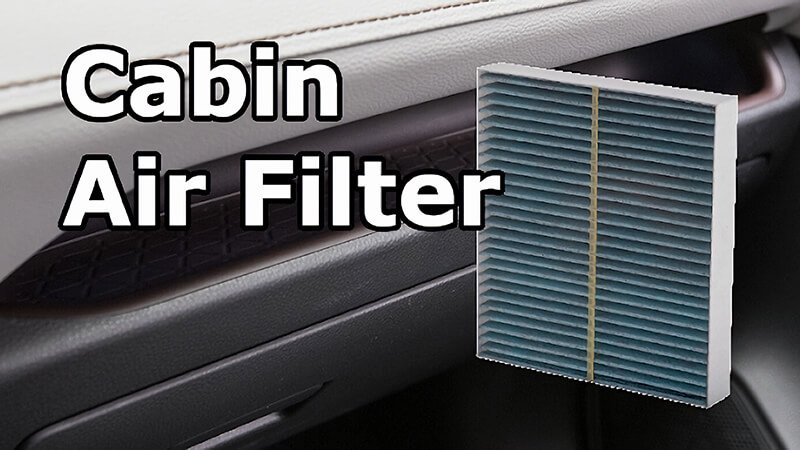
I face rising demands on air quality. I also face tight budgets and strict standards. Bad filters hurt systems and people. Good filters protect both. I need a clear path that fits real HVAC use and real stock plans.
The best HVAC filters match the air challenges, the system limits, and the budget. I use automotive-grade HEPA and activated carbon for fine dust and odors. I pick the right MERV class for pressure drop. I choose pleated media for area and life. I size filters exactly.
I build this guide from my work with Runex Auto. We make automotive filters at scale. We also support B2B HVAC use with auto-grade specs. I will compare HEPA and MERV. I will explain pleated media. I will address airflow limits. I will cover sizing. I will share a UK client story and the results.

Which filter is better, HEPA or MERV?
I see people argue about HEPA and MERV. Some want only HEPA. Some say MERV is enough. Both views miss the context. Systems differ. Risks differ. Costs differ.
HEPA and MERV describe different ideas. HEPA is a very high capture at 0.3 microns. MERV is a scale from 1 to 16 that shows capture ranges. HEPA beats high MERV on fine particles. Yet it adds more pressure drop. I pick based on risk, fan capacity, and life cycle cost.
Dive deeper
I start with definitions. HEPA means 99.97% capture at 0.3 microns in a standard test. It is a pass or fail. MERV is a scale. MERV 13 to 16 covers fine aerosols, often down to 0.3 to 1 micron, with lower capture than HEPA. Both can be right in HVAC. It depends on the air and the fan.
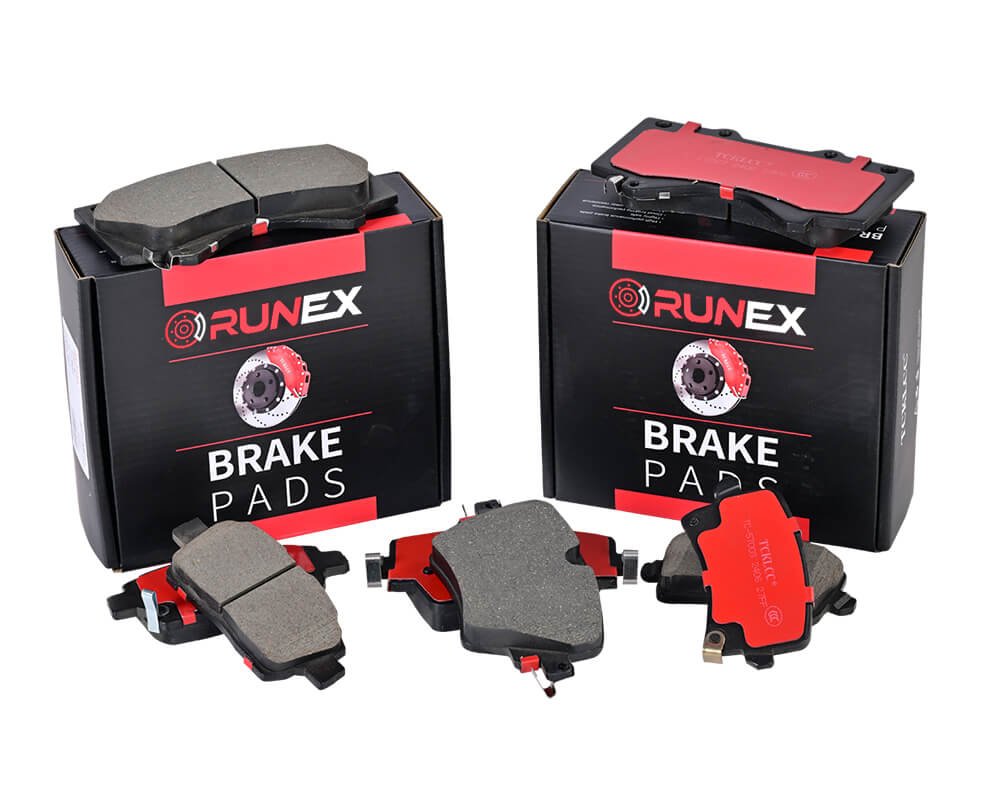
I use automotive-grade HEPA1 from Runex Auto when the building has high health risk. This includes clinics, labs, schools near roads, and offices in cities. Our auto HEPA media comes from OEM supply lines. It has tight fiber control and robust pleat stability. It keeps its shape under vibration and humidity. It holds dust well. We design the frame so it seals in standard housings with gasket options. We test for efficiency and leak using methods adapted from automotive cabin filters and ISO fine dust tests. We show pressure drop curves at multiple face velocities. I share those curves with the site engineer. We confirm the fan can hold the duty point.
I choose high MERV, like MERV 13 to 152, when the system cannot take HEPA drop. Many roof-top units and fan coil units fall into this case. MERV 13 with our Runex pleated synthetic blend can catch PM2.5 well. It also gives a lower initial pressure drop than dense glass media. We build deep pleats that add area. This reduces velocity through the media. That reduces noise and improves life. We add a rigid automotive-grade frame that does not warp with heat or moisture. This keeps seals tight and avoids bypass.
I never mix terms. HEPA is not “higher than MERV 16” in a simple way. It is a different class and test. So I ask two questions. What particle sizes do I need to arrest? What pressure drop3 can my fan tolerate across filter life? I use these to pick between HEPA and MERV.
Here is how I compare for most projects:
| Need | My pick | Why | Runex Auto feature |
|---|---|---|---|
| Clinical risk or PM2.5 hotspots | Auto-grade HEPA | Highest fine dust capture | OEM HEPA media, leak-tested seals |
| Standard office and retail | MERV 13-14 pleated | Good PM2.5 control, lower drop | Deep pleat, synthetic blend, low ΔP |
| Legacy units with weak fans | MERV 11-13 pleated | Balanced capture vs airflow | High area, rigid frame, wide sizes |
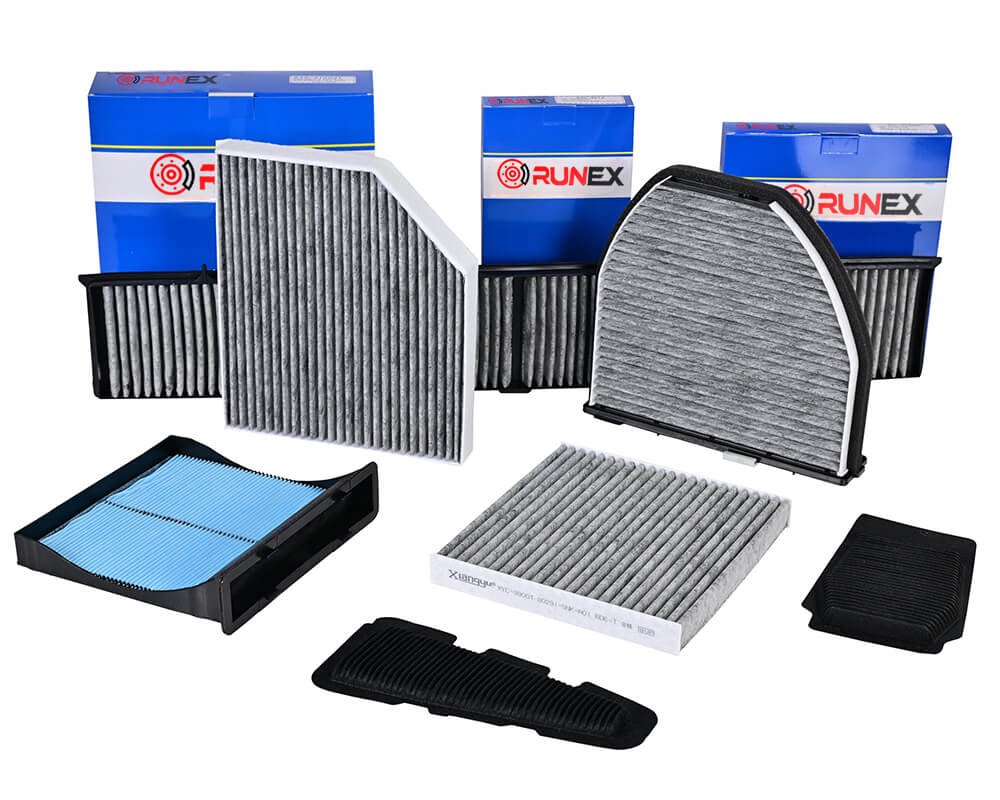
| Odor and VOC concerns | Add activated carbon | Removes odors and some VOCs | Dual-media, low-odor binder |
I use this map to guide my choice. Then I pilot one month in a live zone. I track pressure, IAQ, and energy. I lock the spec after that.
Which is better, pleated or non-pleated air filters?
Many old systems still use flat media. It looks simple. It is cheap upfront. But it loads fast. It often leaks at the edges. It drives higher fan energy over time. Pleated media solves most of these pains.
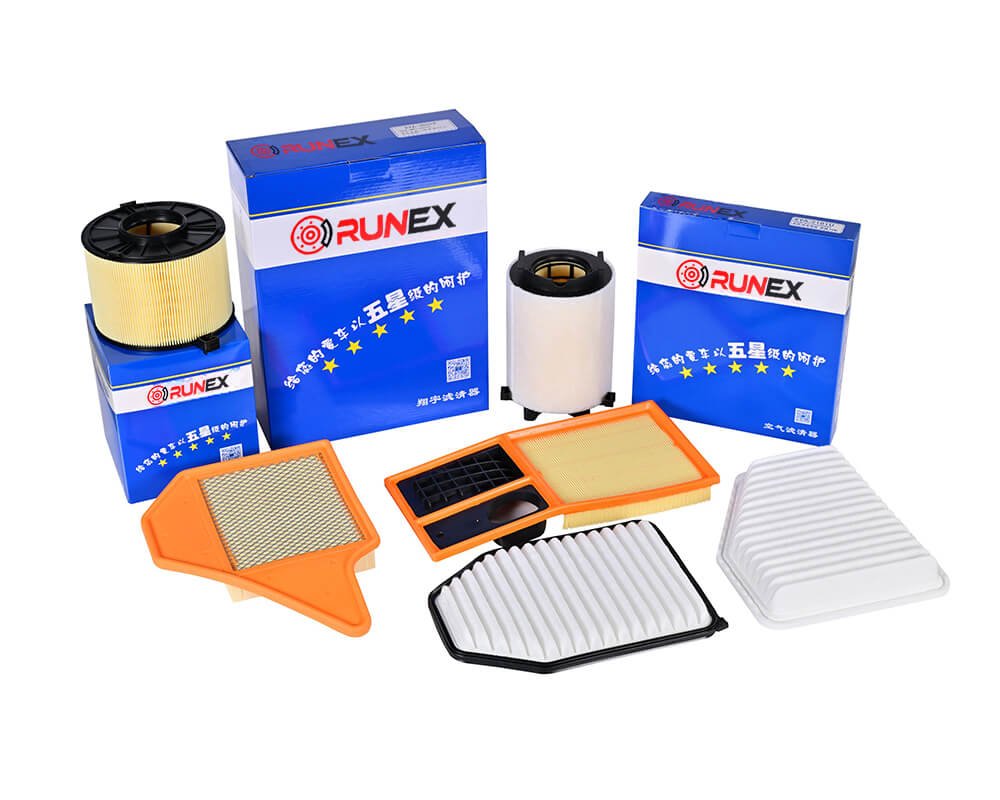
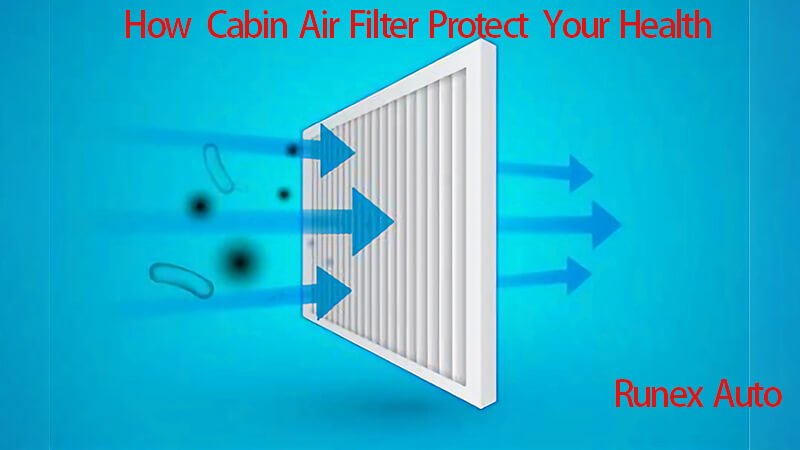
Pleated filters are better in most HVAC uses. They add surface area. They reduce face velocity. They improve capture for the same pressure drop. They last longer. Runex Auto pleated designs also hold shape under stress. So they resist warp, leak, and collapse.
Dive deeper
I think in simple physics. A pleated filter has more area than a flat one in the same frame. More area means lower velocity through each pore. Lower velocity means more chance to catch particles without forcing them through. It also means lower initial pressure drop for the same capture level. This unlocks higher MERV performance4 without choking the fan.
Runex Auto builds pleated elements for cabins and intakes in harsh automotive use. Fans cycle often. Temperatures swing. Vibration is normal. We carry that design into HVAC sizes. We use synthetic microfibers5 and some blends with charged fibers. The synthetic base resists moisture and mold. The charge helps capture fine particles at lower resistance. We use hemmed pleat tips and stable separators so the pleats do not collapse as dust loads. Our frames use automotive-grade polymer or galvanized steel with tight tolerances. This avoids rattle and bypass. We bond the media to the frame with low-odor, temperature-stable adhesive. This keeps the seal even when the unit shakes or expands.
Non-pleated pads or rolls can fit in pre-filter slots. They can protect coils from large debris. They are not a good main filter in most modern buildings. They load fast. They let more PM2.5 pass. They force more frequent changes. That raises labor cost. In many cases, total cost goes up even if the unit price was lower.
Here is a quick view of trade-offs:
| Feature | Pleated | Non-pleated |
|---|---|---|
| Surface area | High | Low |
| Initial pressure drop | Lower for same MERV | Higher for same MERV |
| Dust holding | High | Low |
| Shape stability | Strong with supports | Weak under load |
| Life cycle cost | Lower in most sites | Higher due to short life |
| Typical use | Main filter, MERV 11-15 | Pre-filter, coarse capture |
I advise pleated filters for the main stage. I keep a simple coarse pre-filter only when coils face heavy debris, like near construction zones. I then extend the change interval for the main pleated filter6.
I used this setup in a UK client site. They had repeated sensor alarms and coil fouling. We moved from flat pads to Runex pleated MERV 13 with a thin pre-filter pad. We cut coil cleaning events by half. We raised IAQ. We did not change the fan. Their energy stayed flat. Their total cost dropped in the first quarter.

Do pleated filters restrict airflow?
I hear this worry a lot. It comes from bad matches between media density and fan capacity. A good pleated filter does not restrict airflow more than a flat filter at the same MERV. It often has less resistance because of the extra area.
Pleated filters can lower resistance if the area is high and the media is right. Runex Auto designs pleat depth, spacing, and media weight to hit target pressure drops. We publish pressure curves. We size for the fan. We validate on site with manometers.
Dive deeper
Airflow depends on system pressure and total resistance. The filter adds resistance. So I look at the filter’s pressure drop at the actual face velocity. Face velocity equals flow divided by area. Pleats increase effective area. So for the same flow, the velocity through the media drops. This can offset the higher density of a higher MERV media.
Runex Auto uses three levers. First, media selection. We use blends that offer high capture with low basis weight. Some include electrostatic charge for fine particles. Second, pleat geometry7. We design deeper pleats with stable tips and uniform spacing. This prevents media from touching and blocking air paths. Third, support structure. We use expanded metal or molded ribs to hold the profile. This stops pleat collapse as dust loads. It keeps resistance growth predictable.
We publish data. For example, our 24x24x2 inch MERV 13 pleated unit8 shows an initial drop of about 0.20 in w.g. at 500 cfm. A flat pad that reaches the same capture level would likely exceed that. As the filter loads, the Runex pleats hold shape. The curve rises slower. So the fan sees a smoother load over time. That protects bearings and belts.
I also consider dual-stage setups9. A coarse pre-filter can catch large dust. It keeps the main pleated filter clean longer. The total resistance of two stages can be lower over the service interval than one fine filter that loads too fast. We model this with your actual dust profile from a week of sampling. We then pick a change interval based on target final pressure, like 0.9 to 1.0 in w.g., or based on IAQ sensors.
Here is how I make the airflow case clear:
| Design lever | What I set | Why it helps | Runex approach |
|---|---|---|---|
| Media | Low basis weight, charged fibers | Fine capture at low ΔP | OEM cabin media portfolio |
| Pleat depth | 1-2 inches or more | More area, lower velocity | Deep, rigid pleats |
| Spacing | Consistent, supported | Avoids collapse and bridging | Metal or rib supports |
| Frame | Rigid, true fit | Prevents bypass and leaks | Polymer/steel frames |
| Data | Pressure curves | Predicts fan load | Lab + field tests |
So no, pleated filters do not “choke” air by default. Wrong picks do. Good pleated design with proof solves this.
What happens if your air filter is too big?
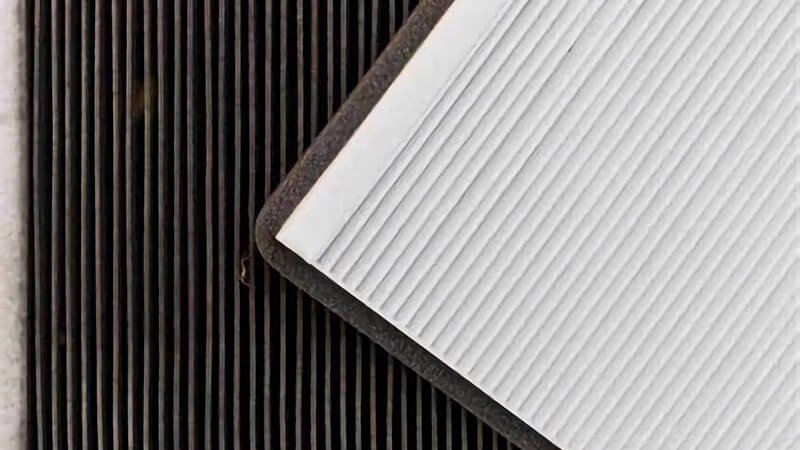
A filter that is too big seems safe. It is not. It can bend, warp, or fail to seal. Air will bypass. Dust will reach coils and ducts. Fans will work harder with less benefit. You will pay more and get worse air.
An oversized filter causes leaks and instability. It shifts in the rack. It leaves gaps. It may collapse under load. It may shed media. Runex Auto sizes filters to true dimensions and adds seal options. We also build custom sizes for legacy racks.
Dive deeper
Fit is a core part of filtration. Air takes the path of least resistance. A small gap equals a big leak. A filter that is even a few millimeters off can leak more air than you think. That air carries dust past the media. Coils foul. Sensors drift. People feel stuffy air. You replace filters more often but see no gain.
Runex Auto controls size like we do for automotive intakes and cabin slots. Tolerances are tight. Frames are square. Edges are true. We add gasket options for racks that are worn. We test for leak paths using a simple smoke test and a differential pressure scan. For old housings, we measure as-built dimensions, not nameplate sizes. We then choose the right fit. If the rack is bent, we offer a custom frame with reinforcement. We can also add compression seals10 to close small gaps.
I saw this in a UK client building. They used “close enough” filters because the OEM size was out of stock. The filters bowed in the middle. The edges leaked. The coils got dirty. The AHUs tripped alarms. Service calls rose. We switched them to exact-size Runex pleated filters11 with a soft gasket. We also added a carbon layer to cut odor from a nearby road. The bypass stopped. The coil delta-P dropped. Alarms went away. Maintenance visits fell by 30% in two months.
Here is a simple sizing checklist I follow:
| Step | What I check | Acceptance |
|---|---|---|
| Measure rack | Height, width, depth at 4 corners | Variance < 2 mm |
| Inspect frame | Warps, rust, missing clips | Repair or reinforce |
| Select seal | Gasket type and thickness | Full perimeter contact |
| Test fit | Dry run insert and removal | No bow or slack |
| Verify leak | Smoke and ΔP scan | No visible bypass |
Size is basic. It is also critical. I never accept “almost right” sizes. Exact fit pays back fast.

Conclusion
I choose HVAC filters 12 with a simple plan. I start with the air risk and the fan. I pick HEPA when fine particles are the threat and the system can carry the load. I pick high MERV when I need balance. I choose pleated designs for more area and longer life. I check pressure curves to protect airflow. I size filters exactly to stop bypass. I use Runex Auto’s automotive-grade media, frames, and seals to bring stable performance to building systems. This protects people, assets, and budgets.
-
Explore the advantages of automotive-grade HEPA filters for high health risk environments, ensuring optimal air quality. ↩
-
Learn about MERV 13 to 15 filters, their efficiency in capturing PM2.5, and suitable applications for better air quality. ↩
-
Understand the significance of pressure drop in HVAC systems and how it impacts filter selection and efficiency. ↩
-
Understanding MERV performance can help you choose the right filter for optimal air quality and system efficiency. ↩
-
Learn about synthetic microfibers and their role in enhancing filter performance and longevity in HVAC applications. ↩
-
Explore the advantages of pleated filters, including improved air quality and energy efficiency, to enhance your HVAC system. ↩
-
Discover how pleat geometry impacts airflow and filter performance for optimal results. ↩
-
Explore the advantages of MERV 13 pleated units for better air quality and efficiency. ↩
-
Learn how dual-stage setups can enhance filter longevity and efficiency in air systems. ↩
-
Learn how compression seals can enhance the efficiency of air filtration systems by minimizing leaks and improving performance. ↩
-
Explore the advantages of exact-size Runex pleated filters to enhance air quality and reduce maintenance costs effectively. ↩
-
Find the best auto air filter from Runex Auto. ↩