If you're someone who spends a lot of time in your vehicle, you’ve probably heard of a cabin air filter. But what exactly is it, and why should you care? Let’s dive into the essentials you need to know.
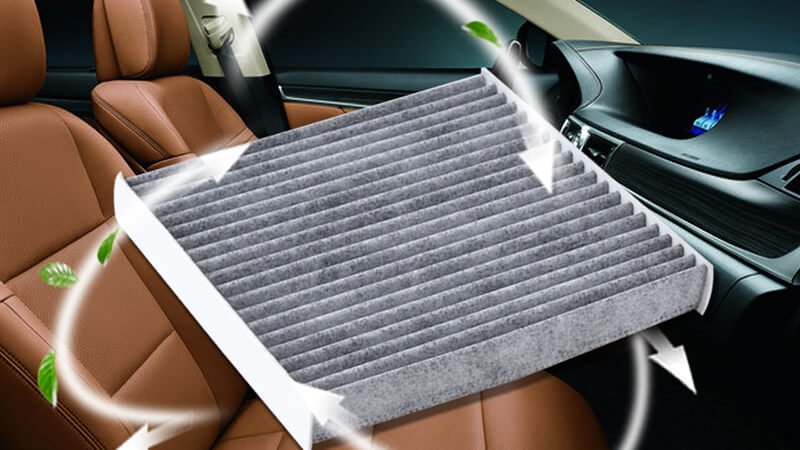
A cabin air filter is crucial for maintaining air quality inside your vehicle. It filters out dust, pollutants, and allergens, ensuring you breathe clean air. Understanding how it works and why it’s necessary is vital for every car owner.
Now that we’ve covered the basics of a cabin air filter, let's explore some important questions car owners frequently have. Understanding these can help you make better decisions when it’s time to replace or upgrade your filter.

How to know what cabin air filter to buy?
Choosing the right cabin air filter might seem tricky with so many options available. But don't worry—let's break down the key factors to help you make the right choice.
When selecting a cabin air filter, consider factors like the make and model of your vehicle, filter type1, and the air quality2 in your area. A good filter ensures cleaner air inside your cabin and better protection for your AC system.
Choosing the right cabin air filter is crucial for both your health and the proper functioning of your vehicle. Here are the key factors to consider when selecting the best filter for your car:
1. Know Your Vehicle Specifications
The first step in choosing the correct cabin air filter is to know your vehicle’s specifications. This includes checking your owner’s manual for the correct filter size and type. Vehicle manufacturers recommend specific filters to ensure optimal performance, so it’s important to stick with these recommendations. What to check in your owner’s manual3 when selecting a cabin air filter can provide guidance.
| Vehicle Model | Recommended Filter Type | Filter Size |
|---|---|---|
| Honda Civic 2020 | Activated Carbon Filter | 9.8 x 8.4 x 1.4 inches |
| Toyota Corolla 2019 | Standard Pleated Filter | 9.6 x 8.2 x 1.6 inches |
| Ford Focus 2018 | Activated Carbon Filter | 10.2 x 7.9 x 1.3 inches |
2. Filter Types
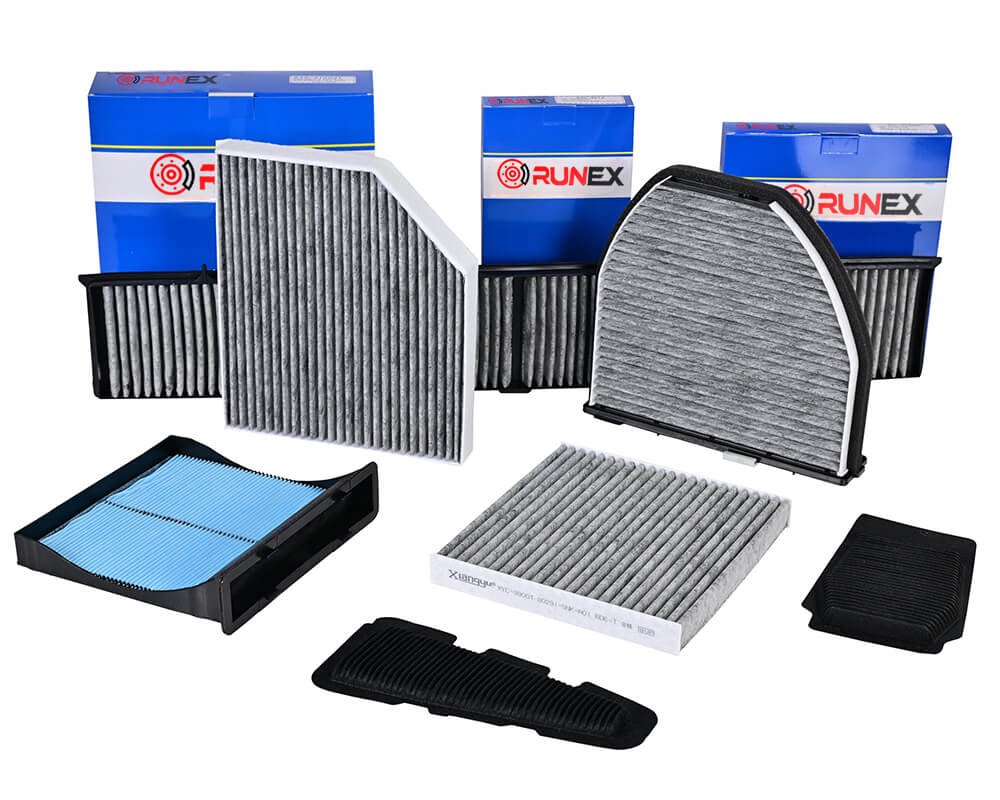
There are two primary filter types: standard pleated filters and activated carbon filters. While both serve the purpose of trapping airborne contaminants, activated carbon filters are more advanced and offer additional benefits, especially for eliminating odors.
- Standard Pleated Filters: These are made from paper or synthetic materials and are ideal for trapping dust, pollen, and debris. They’re cost-effective but may not eliminate odors.
- Activated Carbon Filters: These filters have a layer of carbon, which not only traps particles but also absorbs odors. They’re ideal for people living in polluted areas or who want extra protection from car fumes and other smells.
3. Consider the Air Quality in Your Area
The level of pollutants in your environment should influence your filter choice. If you live in a city with high pollution or near agricultural areas with seasonal pollen, an activated carbon filter may be more suitable. Conversely, if you live in a rural area with lower pollution, a standard pleated filter may suffice.
4. Filter Efficiency Rating
Filters come with a rating called the MERV (Minimum Efficiency Reporting Value). The higher the MERV, the better the filter is at trapping tiny particles like bacteria and viruses. A filter with a higher MERV rating is better for those who suffer from allergies or want to improve the air quality in their cabin.
| MERV Rating | Particles Captured |
|---|---|
| MERV 1-4 | Large particles (dust, lint) |
| MERV 5-8 | Pollen, mold, pet dander |
| MERV 9-12 | Dust mites, smoke, smog |
| MERV 13-16 | Bacteria, viruses, fine particles |
5. Cost vs. Quality
While you may be tempted to go for the cheapest filter, higher-quality filters can provide better air filtration and last longer. Consider investing in a slightly higher-priced filter for better performance and fewer replacements.

Is a cabin air filter really necessary?
You might be wondering, do I really need to replace my cabin air filter? Let's take a closer look at why it’s not just an optional part of your vehicle maintenance but a vital component for a comfortable ride.
Yes, a cabin air filter is necessary. It ensures that the air inside your car is clean and free of harmful pollutants, allergens, and odors. Without it, you could face reduced air quality and potential issues with your HVAC system.
A cabin air filter is an essential part of your vehicle’s HVAC system4, serving several important functions. Let’s dive deeper into why it's not just optional but necessary.
1. Improved Air Quality
Without a cabin air filter, your vehicle’s HVAC system would bring in pollutants, dust, and allergens from the outside, which can affect the air quality inside the cabin. Especially for allergy sufferers, driving without a cabin air filter can cause discomfort and worsen symptoms.
Key Pollutants Without a Filter:
2. Protecting Your HVAC System
| The cabin air filter protects the air conditioning and heating system in your vehicle. Without it, dirt and debris can accumulate in the blower fan and the evaporator, leading to clogs or damage. Over time, this can reduce the efficiency of your AC system and may even lead to expensive repairs. | System Component | Potential Damage Without a Filter |
|---|---|---|
| Blower Fan | Clogged or damaged, reduced airflow | |
| Evaporator | Build-up of debris, leads to expensive repairs |
3. Energy Efficiency
A clean cabin air filter ensures that your HVAC system runs efficiently, maintaining proper airflow. This can help improve the overall energy efficiency of your vehicle, reducing the strain on the air conditioning system and increasing fuel efficiency.
4. Prevention of Unpleasant Odors
Over time, your car can develop musty, stale odors, especially when moisture accumulates in the AC system. A cabin air filter traps the moisture and prevents bacteria and mold from forming. Without a functioning filter, your AC could start emitting unpleasant smells into the cabin.

Can I run my AC without a cabin air filter?
It may be tempting to drive without a cabin air filter, especially if you’ve noticed it’s dirty or clogged. But is it safe to use your AC without one? Let’s discuss the risks involved.
While technically you can run your AC without a cabin air filter, it’s not recommended. Operating without the filter can lead to poor air quality, damage to your HVAC system, and even unpleasant odors inside your vehicle.
Running your vehicle's air conditioning system without a cabin air filter is a risky move that can lead to a variety of issues.
1. Decreased Air Quality
Without a cabin air filter, the air entering your vehicle will contain a variety of contaminants, including dust, pollen, and other pollutants. This can degrade the air quality inside your cabin, which is especially concerning for those with allergies or respiratory issues.
Key Issues:
- Breathing in dust and pollen
- Exposure to harmful pollutants from the outside air
2. Potential HVAC Damage
The cabin air filter protects the internal components of your HVAC system. Without it, debris and dust can clog the blower fan and other parts of the system. This leads to reduced airflow and could eventually cause a malfunction, resulting in costly repairs.
| HVAC Component | Risk Without a Filter |
|---|---|
| Blower Motor | Debris accumulation, overheating |
| Evaporator | Dirt clogging, reduced cooling efficiency |
3. Unpleasant Odors
One of the most common issues with running your AC without a cabin air filter is the musty smell that can develop. Mold and bacteria tend to grow inside the AC system when moisture accumulates, especially in humid conditions. A filter helps prevent these problems by trapping moisture and preventing bacterial growth.
4. Worsened Climate Control
When your cabin air filter is removed, it affects the overall performance of the HVAC system. The system may struggle to maintain the right temperature and airflow, reducing the comfort inside the cabin. This can lead to less efficient heating and cooling, making your ride less comfortable.

What to look for when buying an air conditioner filter?
Buying an air conditioner filter for your car can be overwhelming with so many options on the market. Let's take a closer look at what you should consider when making your purchase.
When purchasing an air conditioner filter, focus on the filter’s size9, filtration capabilities, and type. Ensure it’s compatible with your vehicle’s specifications and offers features like odor removal10 and dust control11.
When purchasing an air conditioner filter for your vehicle, there are several factors to consider to ensure you’re getting the right one for your needs.
1. Check the Filter Size
Filters come in different sizes, and it’s crucial to choose the one that fits your vehicle’s HVAC system. If the filter doesn’t fit correctly, it won’t be able to perform effectively. Always check the dimensions listed in your owner’s manual before purchasing.
| Vehicle Model | Filter Size | Filter Type |
|---|---|---|
| Chevrolet Malibu 2020 | 9.5 x 8.1 x 1.3 inches | Standard Pleated |
| Nissan Altima 2019 | 9.2 x 8.5 x 1.4 inches | Activated Carbon |
2. Consider the MERV Rating
The MERV rating measures the efficiency of the filter in trapping particles. The higher the MERV rating, the smaller the particles it can trap. For drivers with allergies or those living in high-pollution areas, it’s worth opting for a filter with a higher MERV rating.
| MERV Rating | Efficiency |
|---|---|
| MERV 1-4 | Captures large particles |
| MERV 5-8 | Captures pollen, mold, dust |
| MERV 9-12 | Captures smaller particles like pet dander |
| MERV 13-16 | Captures bacteria, smoke, fine dust |
3. Filter Material
The material of the filter affects its effectiveness and lifespan. Filters made from synthetic materials tend to last longer and trap smaller particles. Activated carbon filters, on the other hand, provide extra benefits such as odor elimination and air purification.
4. Ease of Installation
Some filters are designed for easy installation, while others may require professional help. Look for filters that come with clear instructions and are easy to install yourself to save time and money.

Conclusion
A cabin air filter is a small yet essential part of your vehicle's HVAC system. It ensures that you breathe clean air and helps maintain your vehicle’s performance. Whether you’re buying a new filter or replacing an old one, consider factors like compatibility, filtration type, and air quality. Taking care of this simple yet vital component can make a world of difference for your driving experience.
If there is any products you are interested, please feel free to contact us12.
-
This will provide more detailed insights into cabin air filter selection based on vehicle type and conditions. ↩
-
This link explains how air quality can affect your cabin air filter choice, improving air inside your vehicle. ↩
-
This will guide you through the details provided in your vehicle’s manual for choosing the correct filter size and type. ↩
-
This link will explain the importance of cabin air filters in maintaining the efficiency of HVAC systems in vehicles. ↩
-
This link will offer more details on the types of pollutants that can harm your vehicle’s air quality and how a cabin air filter helps. ↩
-
This link will help you understand the impact of pollen on air quality, particularly for people with allergies. ↩
-
This will explain how exhaust fumes can enter your car and reduce the quality of air in the cabin. ↩
-
This link will show how a cabin air filter can help protect against harmful bacteria and viruses in your vehicle’s air. ↩
-
This will provide guidance on how to determine the correct size of air conditioner filter for your vehicle. ↩
-
This link will explain how specific features in air conditioner filters help remove odors from your car. ↩
-
This will provide more details on how dust control works in air conditioner filters and its benefits for your vehicle’s air quality. ↩
-
Contact us if you need any products about auto parts. ↩