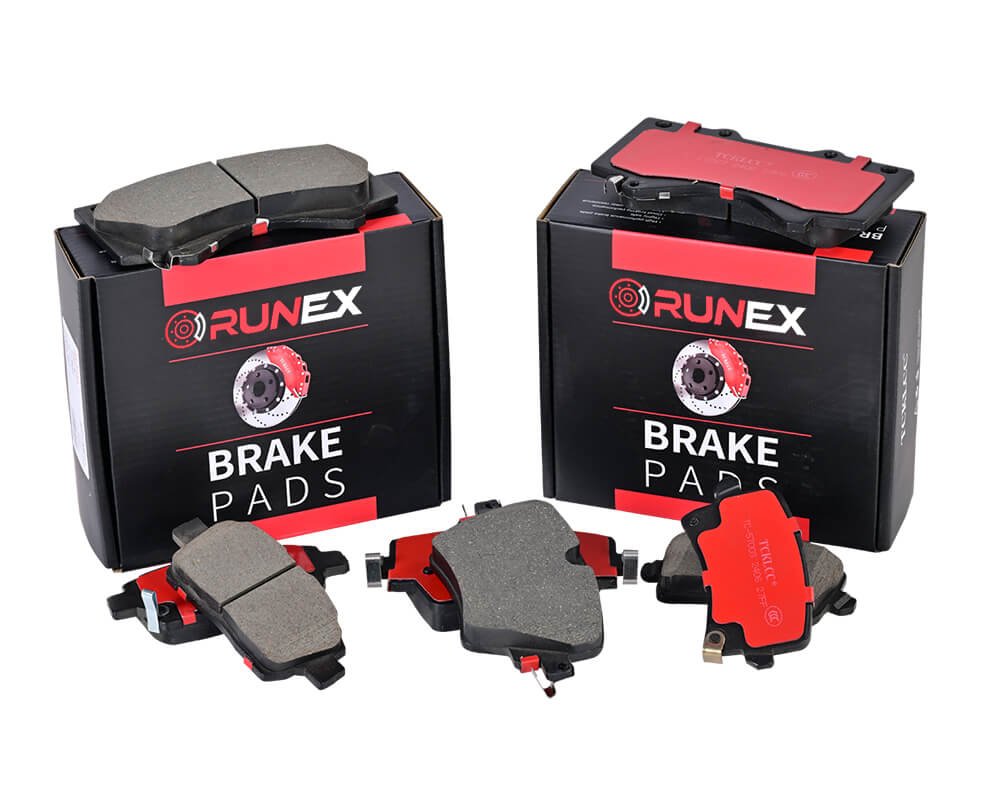

OEM brake pads are engineered to match the exact specifications of your vehicle's original parts, but what makes them different from aftermarket options?
OEM brake pads are designed for precision, quality, and safety, making them a reliable choice for your car. Here’s everything you need to know.
If you're considering replacing your brake pads, let’s explore why OEM might be the best option for your car's performance and longevity.
Is It Worth Getting OEM Brake Pads?
With a wide variety of aftermarket brake pads 1 available, the decision to go with OEM can be a tough one. Are they really worth the extra cost?
OEM brake pads offer guaranteed performance and a perfect fit for your vehicle, but are they worth the higher price tag? Here’s what to consider.
To determine if OEM brake pads are worth the investment, we need to compare them with aftermarket alternatives 2 and see how they stack up.
Benefits of OEM Brake Pads
OEM brake pads are made to meet the precise standards set by your vehicle's manufacturer. They’re designed to provide the same performance as the original pads that came with the car. Here are some advantages:
Guaranteed Fit: OEM brake pads are built specifically for your car's make, model, and year. This ensures that the parts fit perfectly without requiring modifications.
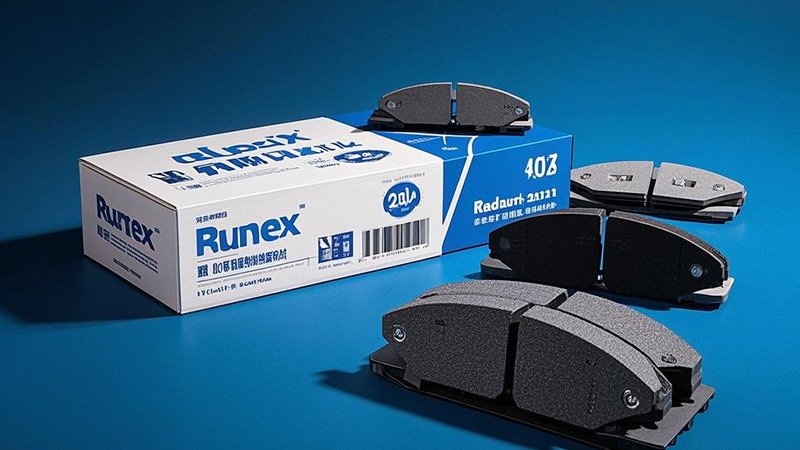
Are OEM Brake Pads Ceramic or Metallic?
Another common question about OEM brake pads is whether they are ceramic or metallic. The answer depends on your vehicle’s specifications and intended use.
OEM brake pads can be either ceramic or metallic, with each material offering unique performance advantages. Let’s explore the differences.
Understanding the differences between ceramic3 and metallic brake pads4 OEM brake pads can help you choose the best option for your driving style.
Ceramic OEM Brake Pads
Ceramic brake pads are made with ceramic fibers and bonding agents, designed for quiet operation and reduced dust. Some key advantages include:
- Quiet Operation: Ceramic pads are known for their low noise levels, making them ideal for drivers seeking a quieter, more comfortable ride.
- Longer Lifespan: They tend to last longer than metallic pads, as they create less friction and wear over time.
- Less Dust: Ceramic pads produce less brake dust, keeping your wheels cleaner.
However, they may not be as effective in extreme driving conditions (e.g., racing or heavy-duty towing) and may cost more than metallic pads.
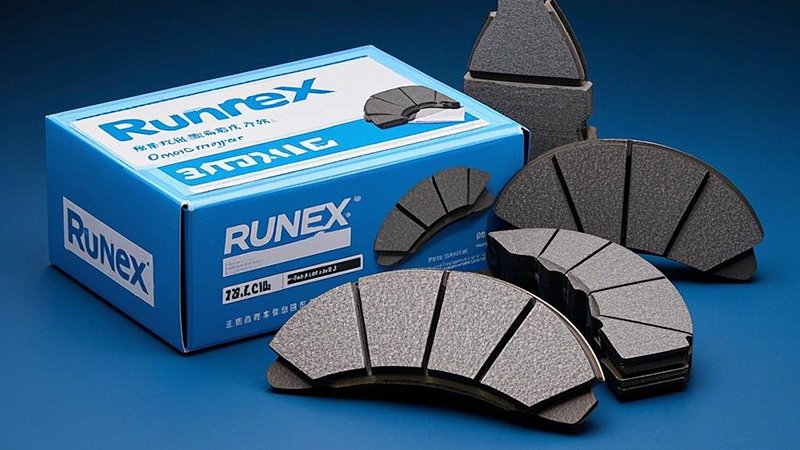
Metallic OEM Brake Pads
Metallic brake pads are made with a combination of metal alloys5, making them more durable and capable of handling high temperatures. Advantages of metallic pads include:
- Better Heat Dissipation: Metallic pads are ideal for heavy-duty driving, as they handle high heat and stress better, which is beneficial for high-performance cars or towing.
- Higher Performance: They provide strong braking power, especially in high-speed or extreme conditions.
- Lower Cost: Metallic pads are typically less expensive than their ceramic counterparts.
However, they tend to produce more noise and dust, and they can wear down the brake rotor more quickly.
How Long Do OEM Brake Pads Last?
One of the most frequently asked questions is how long OEM brake pads last. While there is no one-size-fits-all answer, several factors determine their lifespan.
OEM brake pads typically last between 30,000 and 70,000 miles 6, depending on your driving habits and vehicle type. Let’s explore how to maximize their lifespan.
Want to know how long your OEM brake pads will last? Let’s break down the factors that affect their durability and when to replace them.
Factors Affecting the Lifespan of OEM Brake Pads
OEM brake pads can last anywhere from 30,000 to 70,000 miles, but their lifespan is influenced by several factors:
- Driving Style: Aggressive driving, such as hard braking and frequent stop-and-go traffic, will wear out the pads faster.
- Type of Driving: City driving, with frequent stops, wears pads down quicker than highway driving, where there’s less braking required.
- Vehicle Type: Heavier vehicles, like trucks and SUVs, put more strain on the brake pads, reducing their lifespan.
- Brake Pad Material: Ceramic pads tend to last longer than metallic ones due to their lower friction and heat resistance.
Signs It’s Time to Replace Your OEM Brake Pads
To ensure your safety, it’s important to replace brake pads before they’re completely worn down. Some signs to watch for include:
- Squealing or Grinding Noises: These noises may indicate that your brake pads are worn and need replacing.
- Reduced Braking Power: If you notice a longer stopping distance or reduced responsiveness, it could be a sign that your brake pads are losing effectiveness.
- Vibration or Pulling: If the brake pedal vibrates or the car pulls to one side when braking, your brake pads may be unevenly worn.
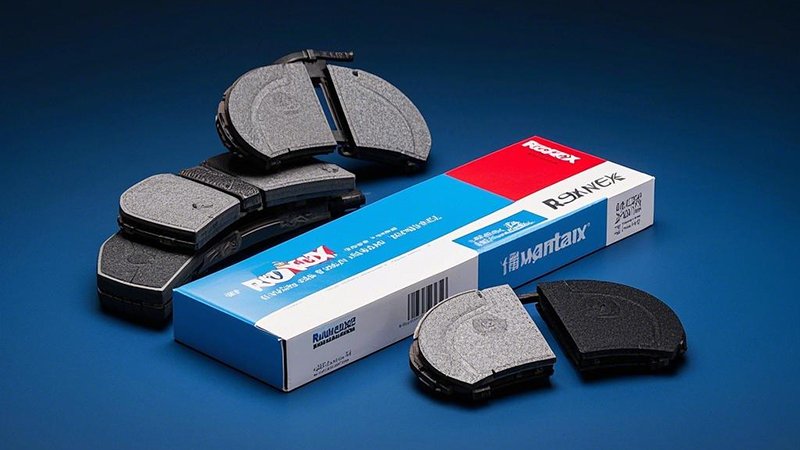
Premium brake pads offer enhanced performance and durability compared to standard OEM pads. But what makes them "premium," and are they worth the extra cost?
Premium brake pads are designed for higher performance, offering improved safety, durability, and driving comfort. Here’s what sets them apart from regular OEM pads.
If you’re looking for something beyond standard OEM brake pads, premium brake pads7 may be the right choice. Let’s explore the benefits they offer.
Premium brake pads are often built with advanced materials and technology8, offering several distinct benefits:
- Superior Performance: These pads are often designed to offer better stopping power, especially in high-performance or heavy-duty vehicles.
- Longer Lifespan: Premium pads are made with advanced materials that provide better wear resistance, extending their lifespan significantly.
- Reduced Noise and Dust: High-end premium brake pads are engineered for quieter operation and less brake dust, keeping your wheels cleaner and offering a more comfortable driving experience.
Are They Worth the Extra Cost?
While premium brake pads cost more than standard OEM pads, their added benefits—such as better performance, longer lifespan, and quieter operation—make them worth considering, especially for high-performance vehicles.
Conclusion
OEM brake pads are designed to offer precise performance, a perfect fit, and reliable safety for your vehicle. While they may come at a higher price point compared to aftermarket options, the investment in OEM pads is often worth it due to their superior quality, durability, and the peace of mind they provide. Understanding the types of materials, their longevity, and the benefits of premium options can help you make the best decision for your car’s brake system. Whether you choose OEM or a premium alternative, ensuring you have high-quality brake pads will ultimately keep your vehicle running safely and efficiently.
Contact us to get your best products!
-
Discover the benefits and drawbacks of aftermarket brake pads. ↩
-
Understand if aftermarket pads are a cost-effective choice compared to OEM. ↩
-
Learn about the material composition and benefits of ceramic brake pads for quieter, longer-lasting performance. ↩
-
Explore the pros and cons of metallic brake pads and their suitability for various driving conditions. ↩
-
To learn how metal alloys impact the durability and performance of brake pads. ↩
-
Understand the typical lifespan of OEM brake pads and key factors that influence how long they last. ↩
-
Provides insight into the benefits and features of premium brake pads versus standard OEM options. ↩
-
Offers detailed information on the materials that improve premium brake pads' performance and durability. ↩