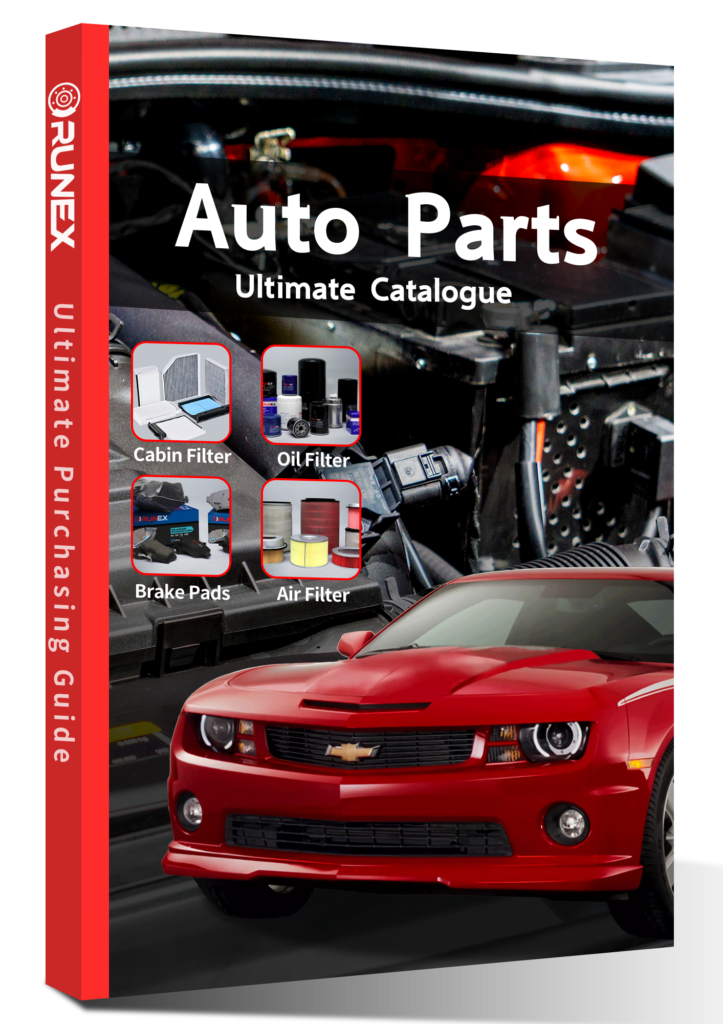

Maintaining your vehicle means more than just checking the engine and tires. The right filters are essential to ensuring optimal performance and longevity. If you’re unsure about what filters your vehicle needs, let’s explore the top 5 essential filters every car owner should know about.
Every vehicle relies on several types of filters to maintain proper function and protect critical components. The most common types include air filters, oil filters, fuel filters, cabin air filters, and transmission filters. Each one plays a crucial role in keeping your vehicle running smoothly.
Understanding the different filters in your vehicle can help you maintain your car's performance and avoid costly repairs. Let’s start by looking into the four primary filters that every vehicle needs.

What are the 4 types of car filters?
There are four essential filters that every vehicle needs to ensure proper operation and protect the engine and other vital components. These filters play distinct roles in preventing damage and improving overall performance.
The four primary types of car filters are air filters1, oil filters2, and fuel filters3. Each filter serves a specific function, from protecting the engine to improving cabin air quality. Regular maintenance of these filters is essential for long-term vehicle health.
Air Filters
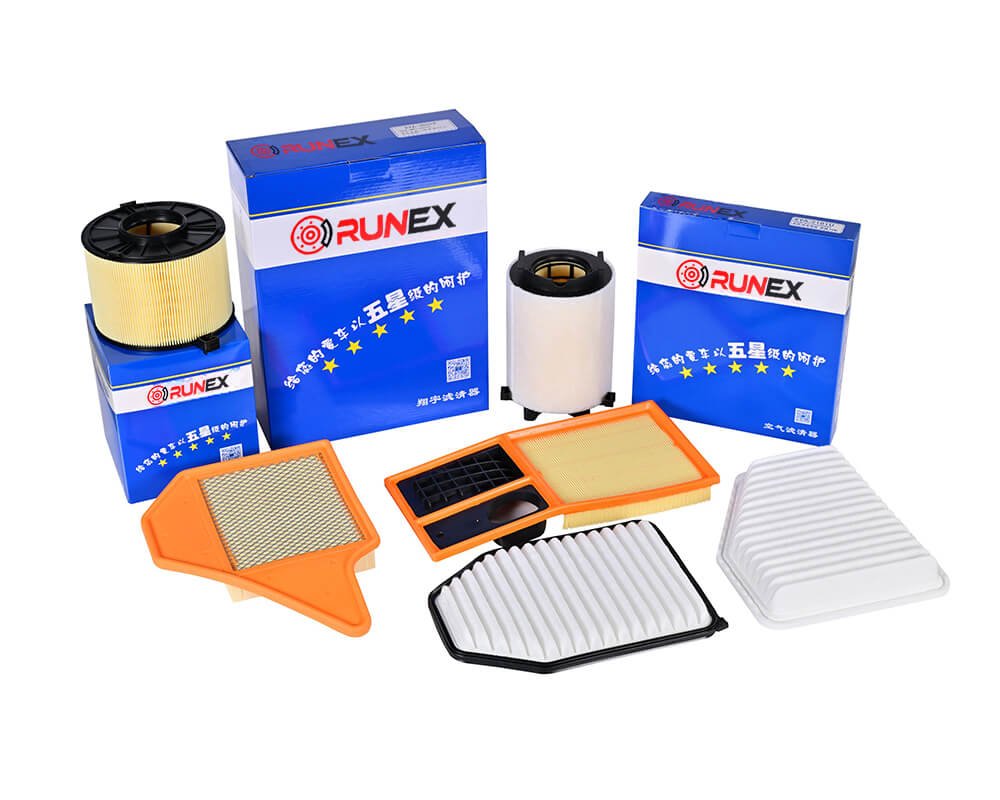
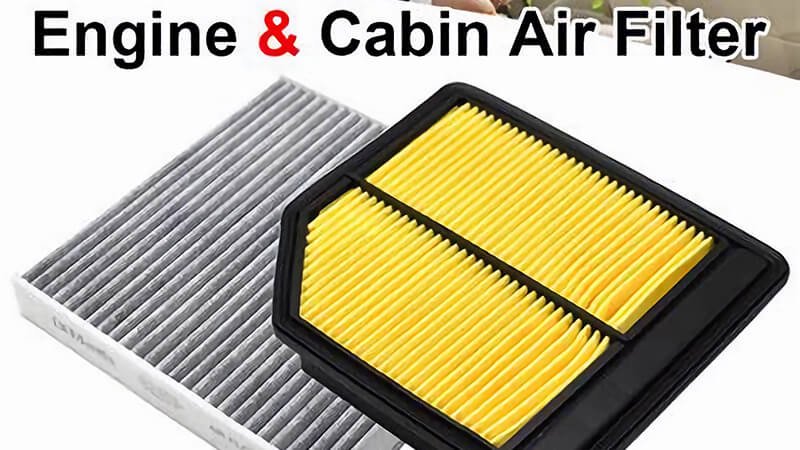
The air filter in your vehicle prevents dirt, debris, and other contaminants from entering the engine. A clean air filter ensures optimal airflow, helping the engine run smoothly and efficiently. When the air filter becomes clogged, the engine has to work harder, leading to reduced performance and fuel efficiency.
Air filters need to be replaced regularly, especially if you drive in dusty or polluted areas. Neglecting to replace the air filter can lead to more serious issues such as engine misfires, reduced power, and even engine damage over time. It's one of the simplest and most cost-effective ways to maintain your vehicle.
The table below outlines common symptoms of a clogged air filter:
| Symptom | Effect | Solution |
|---|---|---|
| Reduced acceleration | Decreased engine power | Replace air filter |
| Increased fuel consumption | Engine working harder to breathe | Replace air filter |
| Poor engine performance | Hesitation and stalling | Replace air filter |
| Check engine light on | Potential engine problems | Replace air filter and inspect |
Oil Filters
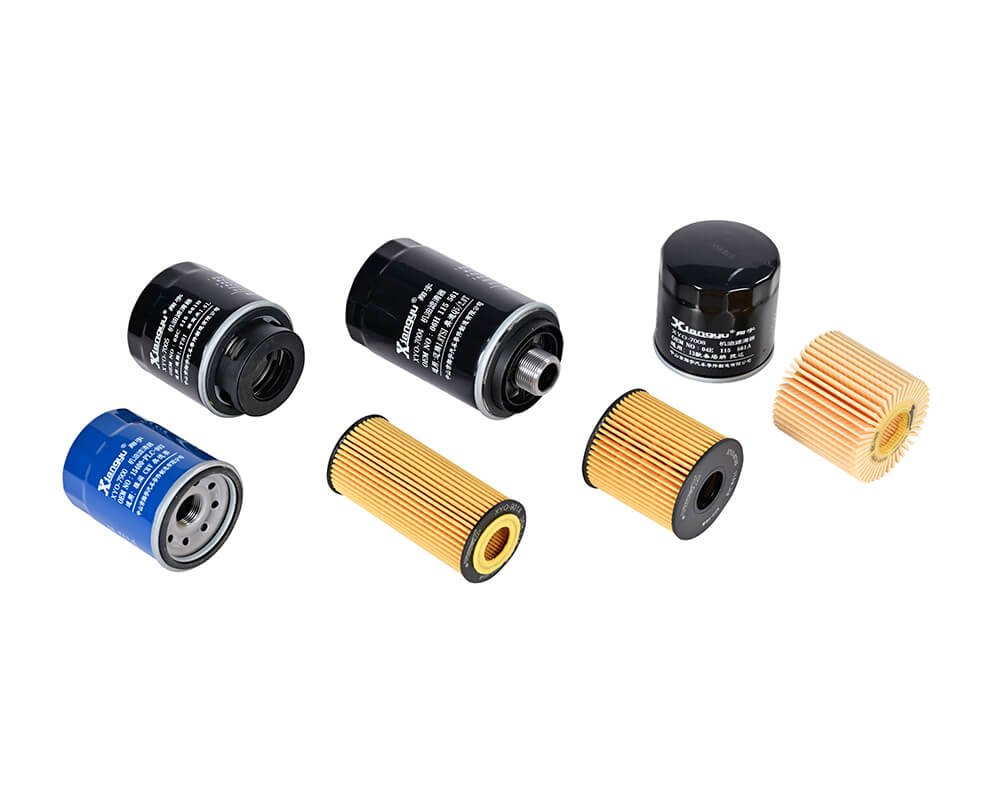
The oil filter plays an essential role in cleaning the engine oil by trapping contaminants and particles that can cause wear and tear on the engine's components. Clean oil is crucial for lubricating the engine’s moving parts and ensuring smooth operation.
Over time, the oil filter becomes clogged with debris, which can reduce its efficiency. It's vital to replace the oil filter whenever you change the engine oil to maintain the engine’s longevity and performance.
Failure to change the oil filter regularly can lead to:
| Consequence | Cause | Effect on Vehicle |
|---|---|---|
| Increased engine wear | Dirty oil circulating in engine | Reduced lifespan and performance |
| Oil starvation | Oil filter clogged | Overheating and engine failure |
| Poor oil circulation | Build-up of contaminants | Increased friction and heat |
Fuel Filters
The fuel filter ensures that only clean fuel reaches the engine. It prevents dirt, rust, and other contaminants from getting into the fuel system, which could damage the engine and fuel injectors. A clogged fuel filter can result in poor engine performance, stalling, or difficulty starting the vehicle.
Regular replacement of the fuel filter is essential for maintaining fuel efficiency and preventing more expensive repairs down the line. The frequency of replacement can vary depending on the make and model of the vehicle, but it should be checked at every service.
A clogged fuel filter may present the following signs:
| Symptom | Likely Cause | Solution |
|---|---|---|
| Difficulty starting the engine | Blocked fuel flow | Replace the fuel filter |
| Stalling while driving | Contaminants blocking fuel injectors | Replace the fuel filter |
| Poor acceleration | Lack of fuel supply to the engine | Replace the fuel filter |
| Engine sputtering | Dirty fuel filter causing fuel issues | Replace the fuel filter |
Cabin Air Filters
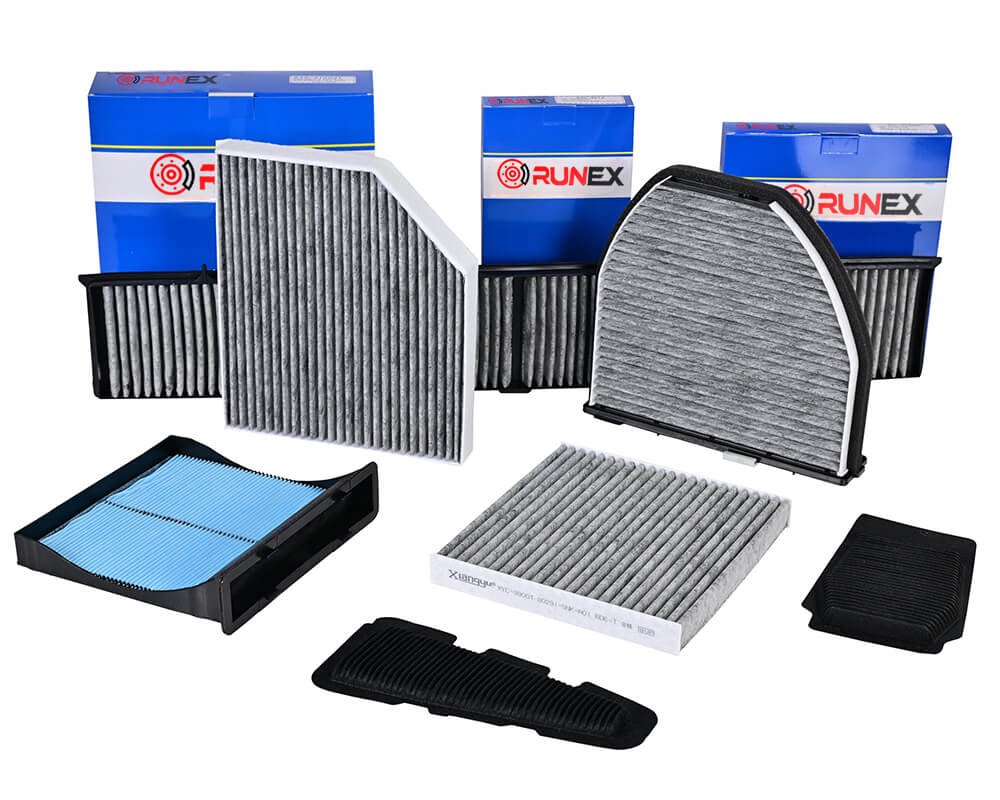
Cabin air filters are crucial for improving the air quality inside the vehicle. They filter out dust, pollen, and pollutants, providing a cleaner and more comfortable environment for the driver and passengers. A clogged cabin air filter can result in poor air circulation, foggy windows, and unpleasant odors.
Replacing the cabin air filter is typically an easy and inexpensive task, but neglecting it can lead to a stuffy cabin and reduced air conditioning efficiency. This filter is especially important for individuals who suffer from allergies or respiratory issues.
The symptoms of a clogged cabin air filter include:
| Symptom | Cause | Solution |
|---|---|---|
| Reduced airflow from AC | Clogged filter blocking airflow | Replace cabin air filter |
| Musty or foul smell in cabin | Bacteria or mold growing in the filter | Replace cabin air filter |
| Foggy windows | Decreased ventilation due to poor air flow | Replace cabin air filter |
What type of filter does a vehicle have?
Besides the four main types of filters, vehicles can also have a variety of other specialized filters. Understanding these additional filters can help ensure your car stays in peak condition.
Apart from the essential air, oil, fuel, and cabin filters, vehicles can also feature transmission filters4, power steering filters5, and air conditioning filters6. Each type contributes to the smooth operation and efficiency of the vehicle.
Transmission Filters
The transmission filter is crucial for keeping the transmission fluid clean. It removes dirt and metal particles that can cause damage to the transmission. Keeping this filter clean helps ensure smooth shifting and prolongs the lifespan of the transmission system. A clogged transmission filter can lead to slipping gears and poor transmission performance.
Transmission filters need to be replaced as part of your vehicle’s routine transmission fluid service. Here’s what a clogged transmission filter can cause:
| Consequence | Cause | Effect on Vehicle |
|---|---|---|
| Slipping gears | Dirty transmission fluid | Transmission damage |
| Difficulty shifting | Blocked filter causing fluid blockage | Poor driving performance |
| Transmission overheating | Lack of proper fluid flow | Major transmission failure |
Power Steering Filters
Power steering filters help maintain the cleanliness of the power steering fluid. By filtering out contaminants, they ensure that the power steering system operates smoothly, providing easy and responsive steering. While not all vehicles have a separate power steering filter, those that do will benefit from regular maintenance to keep the steering system working properly.
When the power steering fluid becomes contaminated, symptoms may include:
| Symptom | Likely Cause | Solution |
|---|---|---|
| Difficulty steering | Contaminated power steering fluid | Replace the power steering filter |
| Whining or squealing noises | Contaminants in the power steering fluid | Replace the power steering filter |
| Stiff steering wheel | Lack of fluid circulation | Replace the power steering filter |
Air Conditioning Filters
Many vehicles have an air conditioning filter, also known as a cabin air filter, that helps improve the air quality inside the cabin. This filter traps dust, pollen, and other airborne pollutants, ensuring that the air circulating in the cabin is clean and fresh. A dirty air conditioning filter can reduce airflow, cause unpleasant odors, and decrease the efficiency of the HVAC system.
Replacing the air conditioning filter is often part of regular vehicle maintenance and should not be overlooked, particularly if you drive in areas with high levels of dust, pollen, or pollution.
Symptoms of a clogged air conditioning filter:
| Symptom | Likely Cause | Solution |
|---|---|---|
| Weak air flow | Clogged filter restricting airflow | Replace the air conditioning filter |
| Bad odors from the vents | Mold or bacteria buildup in the filter | Replace the air conditioning filter |
| Increased fuel consumption | Reduced air circulation affecting efficiency | Replace the air conditioning filter |

What are the different types of air filters for cars?
Air filters come in different types, each designed for specific purposes. Understanding these different filters can help you choose the best one for your vehicle’s needs and ensure long-lasting engine performance.
The main types of air filters for cars are paper filters7, foam filters8, and cotton filters9. Each type has its advantages and is suitable for different driving conditions and vehicle models.
Paper Air Filters
Paper air filters are the most common type of air filter found in vehicles. They are inexpensive, easy to replace, and effective at trapping dirt and debris. Paper filters are designed to be disposable and should be replaced when they become clogged. They are typically made from pleated paper, which provides a large surface area for trapping contaminants.
While paper filters are effective in normal driving conditions, they may not perform as well in extreme conditions, such as off-road driving or areas with high dust levels. However, for most everyday drivers, paper air filters offer a reliable and cost-effective solution.
Advantages of paper air filters:
| Advantage | Reason |
|---|---|
| Low cost | Paper filters are affordable |
| Easy to replace | Widely available and easy to change |
| Effective for standard driving | Performs well in moderate conditions |
Foam Air Filters
Foam air filters are typically used in high-performance vehicles, motorcycles, and off-road vehicles. These filters are made from layers of foam that provide excellent filtration while allowing for maximum airflow. Foam filters are reusable and can be cleaned and oiled to maintain their performance. They are particularly effective in dusty environments, where paper filters might clog up too quickly.
While foam filters offer superior filtration, they can be more expensive than paper filters and require regular maintenance. If you're an enthusiast who enjoys off-roading or performance driving, a foam filter could be the right choice for your vehicle.
Advantages of foam air filters:
| Advantage | Reason |
|---|---|
| Superior filtration | Traps more dust and debris in harsh conditions |
| Reusable and eco-friendly | Can be cleaned and maintained |
| Increased airflow | Provides optimal performance for performance vehicles |
Cotton Air Filters
Cotton air filters, such as those made by K&N, are known for their high performance and longevity. These filters use layers of cotton mesh to trap dirt and debris, while allowing for superior airflow. Cotton filters can be washed and reused, making them a more environmentally friendly and cost-effective option in the long term.
Cotton air filters are often used in vehicles that require improved engine performance and efficiency, especially in sports cars and high-performance vehicles. They offer better airflow than paper filters, which can improve horsepower and throttle response.
Advantages of cotton air filters:
| Advantage | Reason |
|---|---|
| High performance | Provides improved horsepower and efficiency |
| Long-lasting | Washable and reusable |
| Better airflow | Helps in performance driving conditions |

Conclusion
Understanding the different types of filters your vehicle needs is key to keeping it running smoothly and efficiently. Regular maintenance and replacement of air filters, oil filters, fuel filters, and cabin air filters are essential for optimal vehicle performance. Additionally, specialized filters like transmission and power steering filters also play important roles in your car’s overall health. Keeping these filters in check will not only improve your vehicle's performance but also extend its lifespan.
Feel free to contact us 10 if you any auto parts you need.
-
Provides details on the importance and function of air filters in vehicle performance and engine protection. ↩
-
Explains the role of oil filters in preventing engine damage and maintaining oil cleanliness. ↩
-
Gives insight into how fuel filters ensure proper fuel flow and engine performance. ↩
-
Explains the importance of transmission filters in maintaining smooth transmission performance and preventing damage. ↩
-
Provides insight into how power steering filters help maintain the fluid and steering system efficiency. ↩
-
Details the role of air conditioning filters in maintaining air quality and vehicle comfort. ↩
-
Explains how paper air filters help maintain engine performance by trapping dirt and debris. ↩
-
Details the benefits and conditions where foam filters are more suitable for car engines. ↩
-
Discusses the advantages of cotton air filters, especially in high-performance or racing vehicles. ↩
-
To contact us for getting anything you are interested. ↩