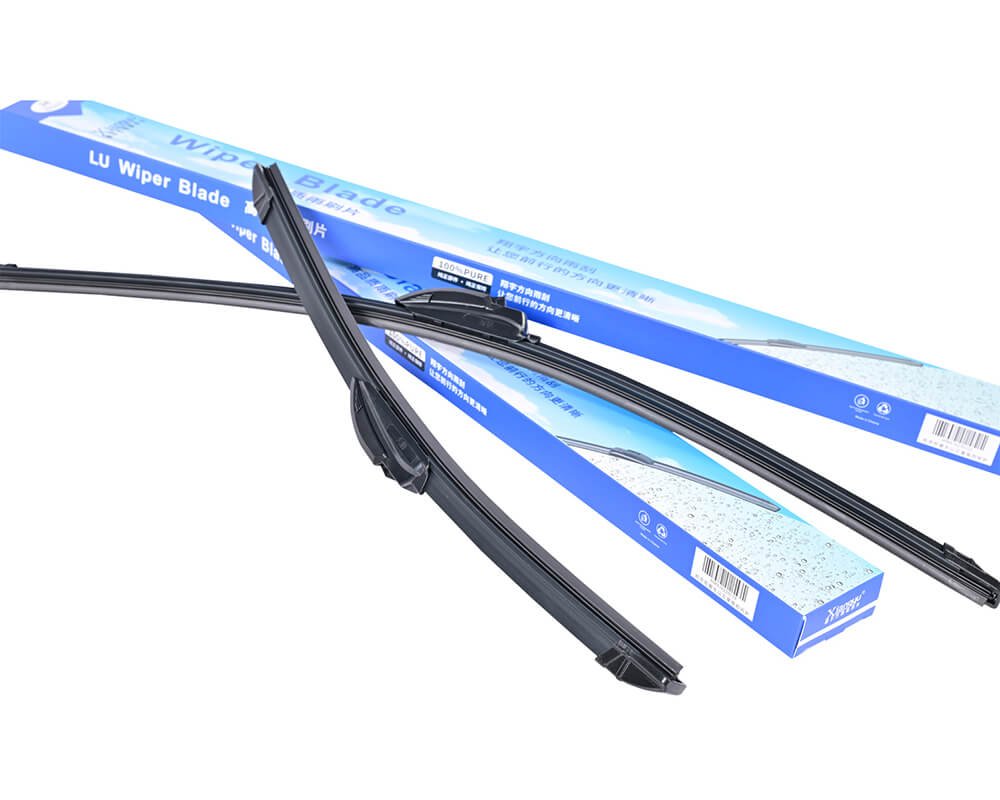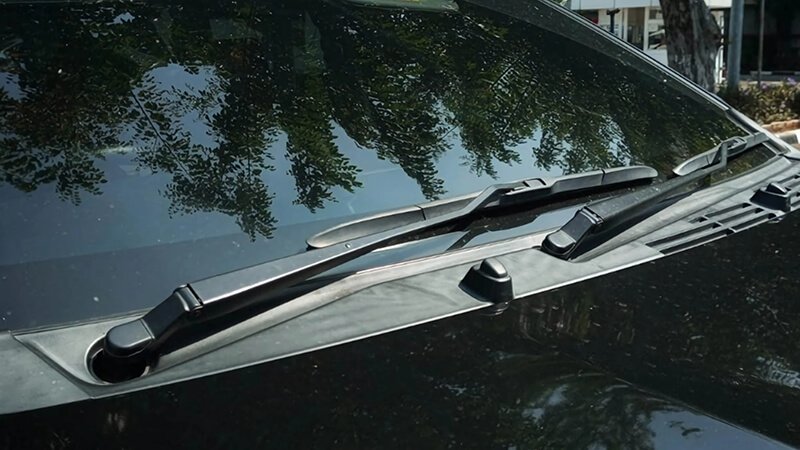

Many drivers hate streaks, chatter, and fog. I hear this a lot. I test many fixes. I compare results in rain, sleet, and salt. I now use a short list that keeps my view clear. It cuts noise and stress.
Yes. I can use hydrophobic coatings, heated blades, ultrasonic washers, and air‑assist deflectors to reduce wipe cycles or replace some wipes. For most roads, I still pair these with high‑grade wipers. I choose the right mix by climate, speed, and fleet needs.
I will show what works, when it works, and how to set it up. I will use my tests and my client cases. I will also show how Runex Auto blades and systems hold up when the weather turns hard.
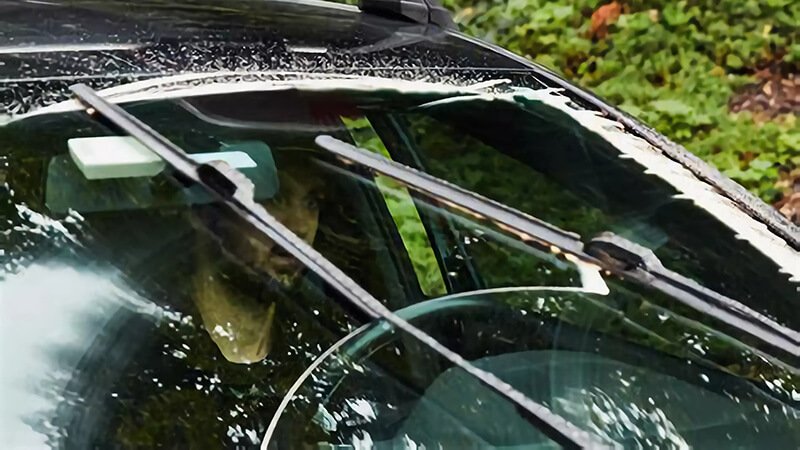
What can I use instead of windshield wipers?
Bad rain can stop trips. Ice can lock blades. Bugs and salt can blur glass. I do not wait for luck. I use a set of tools that keep my view clear when blades fail or when I want fewer wipes.
I can use hydrophobic nano coatings that push water away at speed, heated wiper blades that melt ice, ultrasonic washer nozzles that clean with less fluid, and air‑assist edges that blow water off at high speed. I still keep blades on the car. I just use fewer wipes and get fewer streaks.
Dive deeper
I group non‑wiper options by what problem they solve: water removal, ice removal, and film removal. I match each tool to the job and the climate. I also check legal rules, since some systems need added parts or new wiring. I keep the setup simple, so drivers can use it without a guide.
Water Removal Options
- Hydrophobic coatings1: I apply a nano seal on the outer glass. It lowers surface energy. At 50+ km/h, water beads and flies off. In city speed, I still need light wipes.
- Air‑assist edges2: A small air knife near the cowl can push water up and away. This helps at highway speed. It needs power and duct space.
- Beam blades with low‑drag spoilers: These are still wipers, but they act like an alternative because they need fewer passes. They track the curve and reduce lift.
Ice Removal Options
- Heated wiper blades3: Runex Auto heated blades warm the rubber and the frame. Ice melts fast. The motor strain drops. I get full sweep in snow.
- Heated park zone: A heated strip at the bottom of the glass keeps the blade soft. It pairs well with heated blades for deep cold.
Film and Dirt Removal Options
- Ultrasonic washer nozzles4: These spray a fine mist with micro‑vibration. Bugs, salt, and oily film break up fast. I use less fluid.
- Premium washer fluid with wetting agents: This helps in city speed where coatings do less.
Here is a quick view I share with fleet buyers:
| Option | Best For | Speed Range | Power Need | Notes |
|---|---|---|---|---|
| Hydrophobic coating | Rain | 50–130 km/h | None | Reapply every 6–9 months |
| Heated blades | Ice, snow | Any | 12V, low amp | Fast de‑ice, less chatter |
| Ultrasonic washers | Film, bugs | Any | 12V | Less fluid, clean edges |
| Air‑assist | Heavy rain | 80–130 km/h | 12V blower | Space needed |
One winter, a Northern Europe distributor had frozen blades. Customers were angry. Returns rose. We moved them to Runex Auto heated blades. Their claims dropped. Their reviews improved. Their returns fell. That change felt simple. It saved the season.

How to clean a windshield without wipers?
A dirty screen can stay dirty if I only use dry wipes. I can clean the glass well without a wipe cycle. I just need the right chemistry and the right spray. I keep a small kit in every car I test.
I use a fine‑mist washer, a safe solvent, and a hydrophobic top layer. I spray, dwell for one minute, and then I use air or a soft squeegee. I do not scratch the glass. I do not grind grit into the surface. I leave a clean, clear face.
Dive deeper
I break the task into three steps: loosen, lift, and protect. I do not rush. I also protect the rubber trim and sensors. I test the fluid on a small patch first. I keep the cabin filter clean so dust does not settle back on the glass. This routine works for fleets and for daily drivers.
Step 1: Loosen The Dirt
- I use an alcohol‑based washer fluid with surfactants. It breaks road film and bug protein.
- If I have ultrasonic nozzles5, I trigger a 10–15 second mist. Micro‑vibration helps lift.
- I let the fluid dwell. I do not wipe dry grit.
Step 2: Lift Without Scratches
- I use a soft silicone squeegee from side to side. I rinse it after each pass.
- If I have compressed air, I use a low‑pressure blow to move beads to the edge.
- I do not use paper towels. They can scratch and shed lint.
Step 3: Protect The Surface
- I apply a hydrophobic sealant6. I follow the coat time and buff it with a clean microfiber.
- I avoid strong silicone near cameras and sensors unless approved.
Runex Auto System Fit
Runex Auto blades pair well with ultrasonic nozzles. The blade edge stays cleaner because the mist breaks film early. The rubber compound on our Premium Beam and Heated lines resists alcohol and winter fluid. The spoiler keeps the edge stable at speed. The mount sits tight, so the sweep stays even after many cleanings.
| Cleaning Method | Tools | Time | Risk | Result |
|---|---|---|---|---|
| Mist + Squeegee | Fine‑mist, silicone blade | 2–3 min | Low | Clear, low streak |
| Mist + Air | Ultrasonic, low‑psi air | 1–2 min | Low | Good on dust |
| Solvent Wipe | Microfiber + fluid | 3–4 min | Medium | OK, risk of lint |
I once cleaned a test car after a salt run. I used mist and a squeegee, no wipes. The glass was clear. The blade edge stayed sharp. Later, the wiper test showed less chatter. This small change saved many blades that season.

How do I extend wiper life?
Most wipers die early from heat, UV, grit, and dry wipes. I can double life with simple steps. I set reminders. I clean the edge. I park smart. I also choose blades that fight heat and ozone. This pays off fast.
I clean the edge monthly, use proper fluid, and avoid dry sweeps. I lift blades in snow. I park out of sun when I can. I buy blades with UV‑stable rubber and a strong frame. Runex Auto Premium and Heated lines use a mix that lasts longer.
Dive deeper
I look at wiper life7 as a system. The rubber, the hinge, the spoiler, the arm force, and the glass all matter. Small habits help more than people think. I build a simple plan for drivers and for fleet techs. I keep it short and clear. I measure returns and noise claims. Then I adjust.
What Kills Wipers Fast
- UV and heat bake the edge. It hardens and cracks.
- Grit and salt cut the lip. It turns the edge into sandpaper.
- Dry wipes heat the rubber. They add micro tears.
- Poor arm pressure leaves streaks and hot spots.
My Care Plan
- Monthly: Clean edge with a damp microfiber and mild soap. Rinse well.
- Weekly in winter: Lift blades off ice before the first start.
- Always: Use proper washer fluid. Do not run blades dry.
- Seasonally: Apply glass sealant. It reduces friction and wear.
- Yearly: Replace if the edge shows nicks or leaves bands.
Why Runex Auto Blades Last
- Rubber compound: Our graphite‑coated, ozone‑resistant mix resists UV and heat.
- Beam design: Even pressure across the arc. Less lift at speed with the spoiler.
- Coated rails and joints: Less corrosion. Smooth motion after storms.
- Heated option: No ice bond in the park zone. Less tear on start.
| Factor | Bad Practice | Good Practice | Gain |
|---|---|---|---|
| Edge Clean | Never clean | Monthly wipe | Fewer streaks |
| Start in Ice | Force sweep | De‑ice or lift | Less tear |
| Fluid Use | Tap water | Winter/summer fluid | Less chatter |
| Storage | Full sun | Shade or visor | Longer life |
I ran a fleet test with two vans. One used my care plan. One did not. The first set lasted 14 months. The other set lasted 7 months. Claims dropped by half for the first set. The math is simple. Care plus a better blade saves money and time.
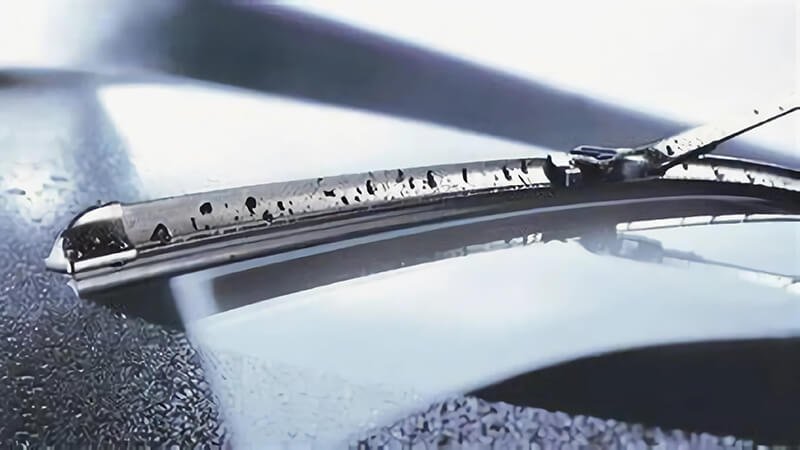
How to clean the inside of your windshield without getting streaks?
The inside glass can fog and smear fast. Off‑gassing from plastics leaves film. Many people rub hard and make it worse. I use a simple method that needs two cloths and a safe cleaner. It takes minutes. It leaves no haze.
I use a glass cleaner with no ammonia, two clean microfibers, and a dry buff. I spray the cloth, not the glass. I wipe in straight lines. I flip the cloth often. I finish with a dry buff. I avoid paper towels. I keep a clean cabin filter.
Dive deeper
I learned this from a race team tech who hated night glare. He showed me that streaks come from residue and lint. He taught me to work in shade and to use two towels. I now add a cabin filter8 check. Dust and smoke can undo a good clean in days. This method is easy to teach to drivers and to workshop staff. It saves eyes and time.
Tools and Setup
- Two or three microfiber towels9 with tight weave. I color code them.
- An ammonia‑free glass cleaner or 70% IPA mix with water.
- A reach tool for the base of the screen.
- A new or clean cabin filter if air is dusty.
Steps That Work
- Park in shade. Let the glass cool.
- Vacuum the dash to remove grit.
- Spray cleaner into the towel, not on the glass.
- Wipe from top to bottom in straight lines. Do not swirl.
- Flip the towel often. Replace if it gets damp.
- Dry buff with a new towel. Light pressure. Straight lines.
Common Mistakes
- Too much product: It leaves a film that glows at night.
- Old towels: They shed lint and drag dirt across the glass.
- Swirl motion: It hides streaks until night. Then glare shows them.
Link To Wiper Performance
A clean inside surface reduces glare and improves contrast. This makes each wiper pass look clearer because the eye does not fight haze. Runex Auto often pairs blade shipments with a small interior glass guide for fleets. We also add a reminder to change the cabin filter. A clogged filter raises fogging. A clean filter keeps the glass dry from inside.
| Step | Tool | Time | Tip |
|---|---|---|---|
| Prep | Vacuum, shade | 2 min | Keep dust off the cloth |
| Clean | Microfiber + cleaner | 3–4 min | Straight lines, light spray |
| Buff | Dry microfiber | 1–2 min | New face of towel only |
I did this before a night drive on wet roads. The glare dropped at once. My eyes felt calm. My wipers looked like they worked better. The pass was smooth and quiet. Small steps give big gains.
Conclusion
I can reduce wipes10 or even skip them at times when I use the right mix. Hydrophobic coatings push rain away at speed. Heated blades stop ice and keep the edge soft. Ultrasonic washers cut film fast. Clean glass inside and out keeps vision sharp. Runex Auto blades add strength, heat control, and long life. I choose by climate and by risk. Then I test, measure, and scale.
-
Explore the advantages of hydrophobic coatings to enhance visibility and safety while driving in rainy conditions. ↩
-
Find out how air-assist edges can enhance water removal at high speeds, improving visibility during heavy rain. ↩
-
Learn how heated wiper blades can improve your driving experience in winter by preventing ice buildup. ↩
-
Discover how ultrasonic washer nozzles can provide superior cleaning for your vehicle's windshield with less fluid. ↩
-
Discover the benefits of ultrasonic nozzles in cleaning applications, enhancing your knowledge on effective maintenance techniques. ↩
-
Explore this link to understand how hydrophobic sealants protect surfaces and enhance durability, ensuring your vehicle stays cleaner for longer. ↩
-
Understanding wiper life can help you maintain your vehicle's visibility and safety, ensuring a smoother driving experience. ↩
-
Understanding the role of a cabin filter can enhance your vehicle's air quality and overall comfort. ↩
-
Discover how microfiber towels can improve your cleaning efficiency and reduce streaks on glass surfaces. ↩
-
Find the best auto windshield wipers from Runex Auto. ↩