
Many drivers overlook the parking brake, thinking it's only useful for parking on hills. However, using it properly can extend the lifespan of your brakes and prevent unnecessary wear. Let’s explore why and how you should use your parking brake regularly.
The parking brake, also known as the handbrake or emergency brake, is essential for keeping your vehicle securely in place when parked. It also helps reduce strain on your main braking system, contributing to overall vehicle safety and brake longevity.
While it’s clear that the parking brake has its benefits, there’s often confusion about how to use it properly. Let’s look into common questions people have regarding the parking brake and how to make the most of it.

Is it OK to use your parking brake all the time?
Some drivers worry that using the parking brake too frequently might cause damage to their vehicle. But is it really a problem to engage your parking brake every time you park? Let’s explore this idea.
It’s completely fine to use your parking brake regularly, especially when parking on a slope or leaving your car for extended periods. However, overuse in flat conditions may cause unnecessary strain on the system, leading to potential issues.
Using the parking brake regularly is absolutely fine, but like any other component, it needs to be used in the right conditions and manner. For example, engaging the parking brake when parking on a hill is essential. The incline of the vehicle naturally creates tension in the transmission and can lead to unnecessary wear if the parking brake isn’t applied. This helps avoid undue stress on the transmission, as the parking brake takes over the responsibility of holding the vehicle in place.
However, if you use the parking brake unnecessarily on flat surfaces, it can contribute to unnecessary wear on the cables, drum, or disc components. This happens because the brake system is put under constant stress without actually being needed. Some modern cars with automatic transmissions feature a system that automatically engages the parking brake when the car is parked. This is designed to help reduce the chances of unnecessary wear on the main braking system.
The best practice is to use your parking brake every time you park, especially on slopes. If you regularly park on flat surfaces, engaging it is not harmful but may be overkill unless your car is parked for a long time. Make sure to always release the brake fully before driving off, as leaving it engaged, even slightly, could lead to wear.
Using the parking brake properly can also save your transmission in the long run. It helps keep the car in a stable position, and this is especially important when you have a heavy load or when you're in an inclined area. Without it, the vehicle’s transmission is left to hold the weight, which can increase the risk of transmission failure1 or premature wear2.

How should I use my parking brake?
The correct way to use your parking brake is essential to maintain both the safety of your vehicle and the longevity of its braking system. Let’s go through some key practices to ensure you use the parking brake properly.
To use the parking brake properly, pull it up firmly when parking, and make sure it's fully released before driving off. If your vehicle has an electronic parking brake3, engage it using the button and make sure it's disengaged before you start driving.
The correct application of your parking brake is not just about pulling up the lever; it’s also about doing so in a way that ensures the longevity of your braking system and transmission4. First, ensure that your foot is firmly pressing the main brake pedal before engaging the parking brake. This reduces the amount of pressure that the parking brake will need to apply, reducing the strain on the brake system. Once the vehicle is fully stopped, engage the parking brake firmly. If you hear any unusual sounds when you engage the parking brake, it could mean that the system needs attention, and you should get it checked by a professional.
If you're driving a manual transmission vehicle5, you should always shift the car into neutral before applying the parking brake. This reduces unnecessary pressure on the clutch and transmission. For automatic transmissions6, ensure the vehicle is in "Park" mode before applying the brake. This will allow the parking brake to do its job, ensuring the vehicle doesn’t rely on the transmission for holding its position.
If you own a vehicle with an electronic parking brake, applying it is even easier. You just need to press a button to engage or disengage the brake. While this is more convenient, always ensure that the brake has fully engaged before leaving the car, and check the light indicators to make sure it’s properly released before driving.
A common mistake is to rely solely on the parking brake to hold the vehicle in place. While it’s effective, the parking brake should be viewed as a secondary safety feature. It’s still important to place the car in gear (manual) or "Park" (automatic), so that if there is any failure with the parking brake system, the car will still be secure.
Finally, after parking on a slope or in a place where the car might be under pressure, always double-check that the parking brake is securely applied and that the vehicle is not rolling. Safety should always come first.

How can I extend my car brake life?
Brake maintenance goes beyond just using the parking brake. Proper driving habits and regular vehicle maintenance are essential to extending the life of your car’s braking system. Let’s explore how to care for your brakes properly.
To extend your car’s brake life, avoid hard braking7, reduce the weight in your vehicle, and ensure regular maintenance checks. Using the parking brake correctly also plays a significant role in reducing wear on your car’s main braking system.
Extending the life of your car’s brakes involves much more than just using the parking brake. One of the primary factors is your driving habits8. The way you brake plays a huge role in the wear and tear on your brake system. Constant hard braking, especially from high speeds, puts additional strain on the brake pads and rotors. When you brake hard, the friction generated causes the brake components to wear out faster. If possible, avoid rapid deceleration, especially in heavy traffic or on highways. Instead, try to brake gradually and anticipate stops well in advance. Smooth driving habits are the key to extending brake life.
Another aspect to consider is the weight9 inside your car. Every time you drive with heavy loads or excessive items in the trunk, you put more strain on your brakes. Heavier vehicles require more effort from the braking system, meaning your brake pads and rotors will wear faster. If you frequently carry heavy cargo or tow trailers, consider using a trailer brake controller10. This will help distribute the braking force and reduce the strain on your vehicle’s primary braking system.
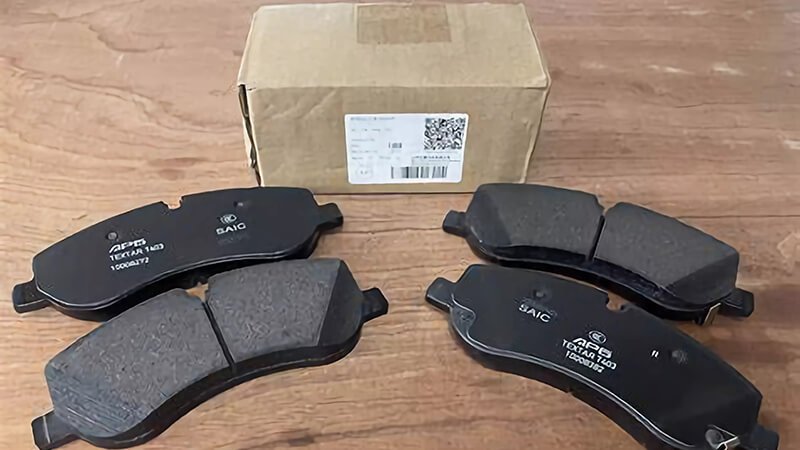
Routine vehicle maintenance is crucial to keeping your brakes in top condition. Regular brake pad inspections are essential to identify signs of wear before they lead to bigger problems. Most brake pads need replacing after around 25,000 to 70,000 miles, but this varies depending on the make and model of the vehicle, as well as your driving habits. Additionally, brake fluid should be flushed and replaced every 2-3 years to ensure that it functions optimally. Brake fluid naturally degrades over time, and old fluid can cause your brake system to become less responsive, which could lead to a safety hazard.
Lastly, regular brake system inspections are necessary to identify problems such as worn-out pads, damaged rotors, or low fluid levels. Having your brakes professionally serviced can prevent you from having to replace costly components prematurely. If your vehicle shows any signs of brake problems—like unusual noise or reduced performance—it’s important to address them as soon as possible.
By following these practices and maintaining a proactive approach to brake care, you can significantly extend the life of your car’s braking system, saving money and ensuring safer driving.
How to correctly apply a handbrake?
Applying the handbrake might seem straightforward, but doing it properly ensures your vehicle stays safe and your brake components last longer. Here’s how to apply it correctly, whether you’re using a traditional lever or an electronic brake11.
To apply the handbrake, pull the lever up until it clicks into place. If you have an electronic parking brake, press the button to engage it. Always ensure the brake is fully engaged before you leave the vehicle.
The handbrake, while simple in appearance, requires careful handling to prevent damage to both the brake system and the transmission12. First, always make sure your car is completely stopped before applying the handbrake. This minimizes the risk of unnecessary wear on both the parking brake and the car’s main braking system. When you’re in a manual transmission vehicle13, it’s important to shift into neutral before applying the handbrake. In automatic transmission cars14, ensure the car is in "Park."
Once you’ve come to a complete stop, apply the handbrake smoothly. In traditional handbrakes, you need to pull the lever up firmly. It should click into place, indicating it is engaged. If it doesn’t, you should pull the lever again to ensure it’s fully applied. For electronic handbrakes, pressing the button or switch will activate the brake, but make sure the system gives a clear indication that it’s fully engaged.
The key to applying the handbrake correctly is not just about stopping the vehicle, but about preventing the car from moving when parked. If the handbrake is not engaged firmly, your car could still roll, even if it’s parked on a slight incline. This could damage the parking brake mechanism, as well as increase strain on the transmission.
When disengaging the handbrake, ensure that you’re not applying any undue pressure on the brake system. For manual handbrakes, always ensure the vehicle is in gear or "Park" mode. Gradually release the brake, allowing it to come down smoothly. For electronic systems, ensure that the brake is disengaged completely before driving.
Lastly, never use the handbrake while driving. The parking brake is designed to hold the vehicle stationary when parked, not for regular driving use. Using the handbrake while moving could damage both the brake system and the tires.
Conclusion
In conclusion, using your parking brake correctly is an essential part of vehicle maintenance. Not only does it help ensure your car stays secure when parked, but it also reduces wear on your main braking system. By following these tips and maintaining your handbrake in good working order, you can extend the lifespan of your brakes and enjoy safer driving.
-
Learn how using a parking brake properly can protect your vehicle's transmission. ↩
-
Understand the factors that lead to premature transmission wear and how to avoid them. ↩
-
Learn about the convenience and safety features of electronic parking brakes. ↩
-
Understand the role of the parking brake in protecting your vehicle's transmission. ↩
-
Discover the proper technique for applying the parking brake in a manual vehicle. ↩
-
Learn the proper use of parking brakes with automatic transmissions to ensure safety. ↩
-
Learn how hard braking accelerates wear on your car's brake components. ↩
-
Understand the relationship between driving habits and brake system longevity. ↩
-
Discover how extra weight in your car affects brake wear. ↩
-
Learn how a trailer brake controller helps protect your car's brakes when towing. ↩
-
Learn how electronic parking brakes work and how they differ from manual handbrakes. ↩
-
Understand how incorrect use of the handbrake can impact your vehicle's transmission. ↩
-
Discover the proper way to apply the handbrake in a manual vehicle to prevent wear. ↩
-
Learn the correct method for applying the handbrake in automatic transmission vehicles. ↩