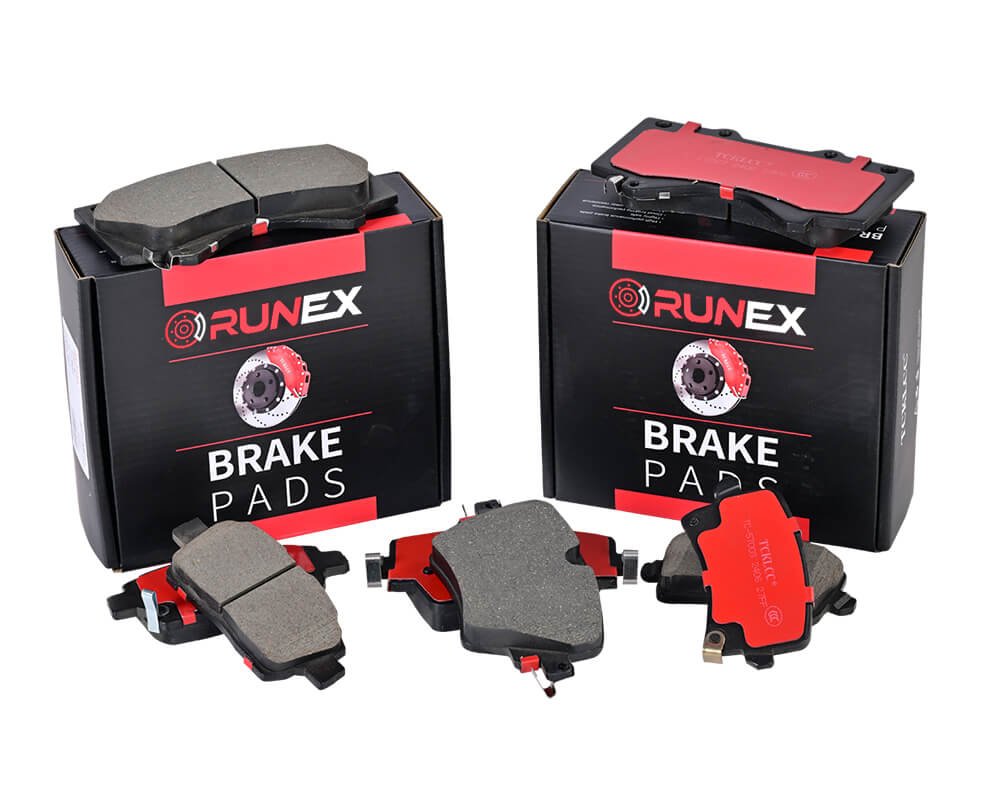
Choosing the right brake pads ensures vehicle safety and performance. Here's how to pick the best ones for your car.
Brake pads are crucial for vehicle safety. Make sure you select the right type for your car to ensure optimal performance and safety.
Transition paragraph: Keep reading to understand how to identify the right brake pads for your specific car model, and make an informed decision before your next purchase.

How do I know what brake pads I need for my car?
Not all brake pads are the same. Identifying the right ones starts with understanding your car's specific needs.
The first step in choosing the right brake pads is knowing the make, model, and year of your vehicle. Car manufacturers often specify certain types of brake pads that are designed to work optimally with your car’s braking system.
-
Check the Owner’s Manual: Your vehicle’s manual will typically list the correct brake pads for your model. It's essential to follow these guidelines for both safety and performance.
-
Consult a Professional: If you're unsure, a professional mechanic or an auto parts store can recommend brake pads based on your vehicle's needs.
-
OEM vs. Aftermarket: There are two main types of brake pads: OEM1 (Original Equipment Manufacturer) and aftermarket2. OEM pads are designed by your car's manufacturer and are usually the best fit, but aftermarket pads can offer performance benefits and better pricing.
It’s also worth noting that factors like driving style, climate, and whether you frequently drive in heavy traffic can influence the best choice for you.
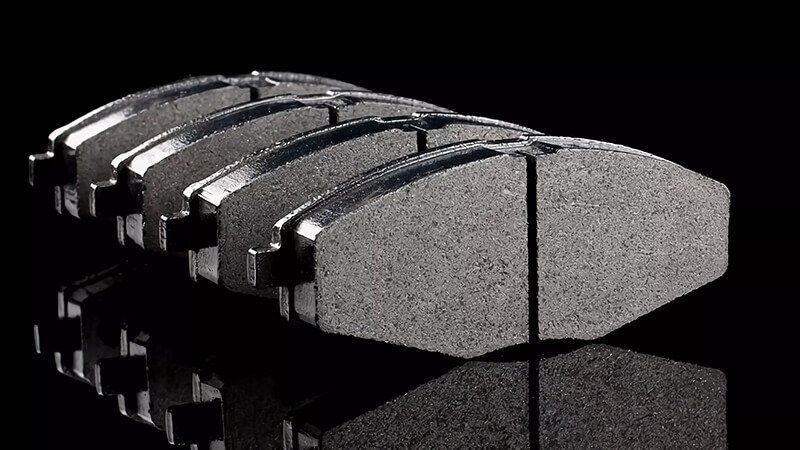
Are brake pads specific to car models?
Yes, brake pads are often model-specific and should match your car's braking system for optimal performance.
Brake pads are indeed specific to car models, and this is due to several factors including size, material composition, and design. Vehicle manufacturers create their own specifications for brake components, ensuring they fit the unique requirements of the braking system in that model.
-
Size and Fit: Each car has a different rotor diameter, caliper design, and piston type, which all determine the type of brake pad needed.
-
Material Composition: Brake pads come in various materials, such as organic3, semi-metallic4, and ceramic5. Some cars may perform better with one type of material over another based on their driving conditions.
-
Performance Needs: High-performance vehicles, trucks, or off-road cars may need specific brake pads designed to handle heavier braking loads, higher temperatures, or rugged conditions.
Therefore, always check if the brake pad model is explicitly recommended for your car by the manufacturer, or refer to an expert for advice.
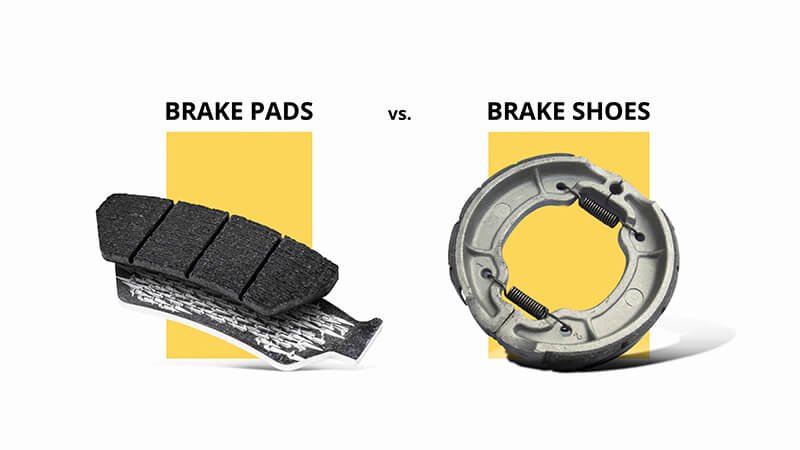
How do I know what brakes will fit my car?
Ensuring the correct brake pad fit is essential for safety, performance, and the longevity of your braking system.
To find out which brakes will fit your car, follow these steps:
-
Research your car's specifications: Knowing your vehicle's make, model, and year helps narrow down options. Some online resources and auto parts stores allow you to input this data for exact match recommendations.
-
Use Online Tools: Many online stores and manufacturers provide tools where you can input your car details and get a list of compatible brake pads. For example, websites like RockAuto6 or AutoZone7 offer such tools for vehicle part compatibility.
-
Physical Inspection: A mechanic can inspect your current brake pads and rotors and help identify the correct replacement pads based on wear and condition.
-
Cross-reference with OEM or Aftermarket Options: Once you know the size and type of brake pads your vehicle requires, cross-reference them with both OEM and aftermarket options to compare quality, price, and performance.

What to know before buying brake pads?
Before purchasing brake pads, it’s crucial to consider your vehicle’s needs, driving conditions, and budget.
When you're ready to purchase brake pads, it’s not just about price. Here are several important factors to consider:
-
Driving Style: If you drive aggressively or in heavy traffic, you may need brake pads that are designed for high performance and durability. You can learn more about performance brake pads8 on various auto parts sites or forums.
-
Material Types: Organic, semi-metallic, and ceramic brake pads each have their advantages and disadvantages. Ceramic pads9 offer quiet performance and longer life, while semi-metallic pads10 provide superior heat resistance.
-
Cost vs. Quality: While it's tempting to opt for the cheapest option, brake pads are a safety component. It's worth investing in quality pads to ensure the safety and performance of your vehicle.
-
Warranty: Look for brake pads that come with a warranty. This ensures that if there are any issues, you can get a replacement or refund.

Conclusion
Choosing the right brake pads for your vehicle is crucial to both performance and safety. By understanding your vehicle's specific requirements, considering your driving habits, and weighing your material options, you can make an informed choice. Always prioritize safety, and don't hesitate to consult professionals to ensure you're getting the best brake pads for your car.
-
Learn more about the difference between OEM and aftermarket brake pads and their role in your car’s performance. ↩
-
Discover how aftermarket brake pads can offer advantages like cost savings or enhanced performance. ↩
-
Learn about the advantages and characteristics of organic brake pads. ↩
-
Find out the benefits and drawbacks of semi-metallic brake pads for specific cars. ↩
-
Discover why ceramic brake pads might be the best option for certain vehicles. ↩
-
This link provides an online tool to check compatibility with your car's specific brake parts. ↩
-
This link leads to a tool that helps identify the correct brake pads for your vehicle's make and model. ↩
-
Explains the benefits of high-performance pads for aggressive driving and tough conditions. ↩
-
Provides detailed insights into the advantages of ceramic brake pads. ↩
-
Helps understand why semi-metallic pads are heat resistant and durable. ↩