
When should I replace my brake pads and rotors? This question comes up all the time. If you run a parts business or manage procurement like Joe at Carlson Auto, you know that late replacements mean safety risks—and early replacements mean wasted money. Either way, poor timing costs you.
Most brake pads last between 30,000 to 70,000 miles, and rotors can last longer with proper maintenance. Driving habits, vehicle type, and part quality are the biggest factors.
Even though there are general guidelines, real-world performance varies a lot. If you buy or sell brake parts, you need to know what affects lifespan—and how to guide your team or customers in choosing the right product. Let's dig in.

How often do brake pads and rotors need to be replaced?
Urban drivers complain about short brake life. Highway users often forget about their brakes until it's too late. The result? Inconsistent replacement intervals—and lots of unnecessary costs.
Brake pads should be replaced every 30,000 to 70,000 miles, depending on material, driving behavior, and vehicle weight. Rotors can last through 2–3 pad cycles but must be checked for wear each time.
What affects how often you replace brakes?
The life of a brake pad or rotor is not fixed. It changes based on:
| Factor | Impact on Lifespan |
|---|---|
| Driving Style1 | Aggressive driving wears pads and rotors faster |
| Brake Pad Material2 | Ceramic lasts longer than organic or semi-metallic |
| Vehicle Weight3 | Heavier cars and SUVs use more braking force |
| Environment | City driving = more stops = faster wear |
| Brake System Quality | OE-standard systems offer better heat control |
At Runex Auto, we often see clients with urban fleets replace pads every 25,000 miles. One client was burning through pads in just 18,000 miles due to stop-and-go traffic. We switched them to a ceramic compound. Their maintenance costs dropped by 40%, and complaints from drivers went down. Sometimes, the right material changes everything.

What is the average mileage to replace brakes and rotors?
You can’t always trust the number on the box. Every vehicle and use case is different. Still, there are tested benchmarks that help set expectations.
On average, brake pads should be replaced between 30,000 and 70,000 miles. Rotors may last 60,000 to 100,000 miles, but should be resurfaced or replaced based on condition, not just mileage.
How to set realistic mileage expectations?
Mileage isn’t just about the part—it’s about the system. Pads and rotors work together. Here’s what we advise our buyers to track:
Brake Pad Materials and Mileage4
| Material Type | Typical Mileage | Characteristics |
|---|---|---|
| Organic | 20,000–35,000 mi | Quiet, soft, wears fast |
| Semi-Metallic | 30,000–50,000 mi | Durable, good heat resistance |
| Ceramic | 50,000–70,000+ mi | Long life, low dust, high cost |
Rotor Longevity5
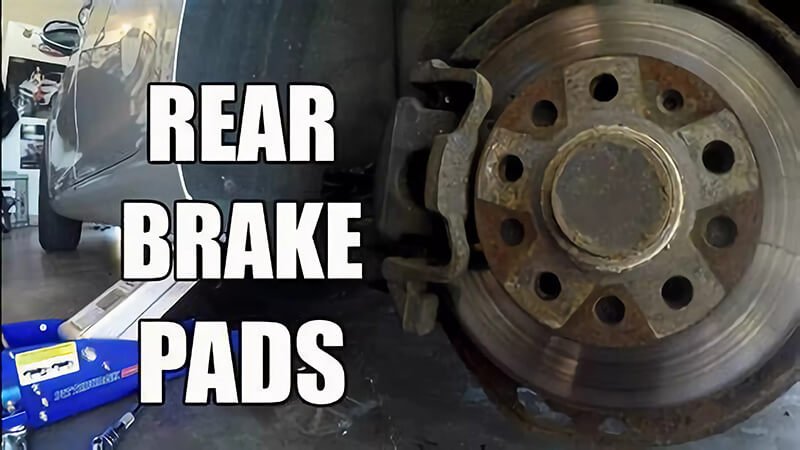
Rotors don’t need replacement as often, but they require inspection at every brake job. Even if the rotor isn’t cracked, deep grooves, warping, or uneven surfaces reduce braking efficiency. Inconsistent braking is a safety risk—and can damage new pads.
One of our UK clients was swapping out both pads and rotors every 40,000 miles. We found that their drivers were heavy on the brakes, especially in city centers. After replacing the rotors with higher-grade carbon alloy units and retraining the drivers, they pushed replacements out to 65,000 miles.
What is the 30/30/30 rule for brakes?
This rule often gets misunderstood. But it’s useful if applied correctly. It’s not a guarantee—it’s a guide.
The 30/30/30 rule suggests inspecting your brakes every 30,000 miles, replacing pads when they have 30% material left, and checking rotors if they show 30% surface degradation. It’s a preventive maintenance strategy.
How to apply the 30/30/30 rule in real life?
The rule is simple on paper, but requires good record keeping. Here’s how we help clients implement it:
Tracking and Inspection Plan
| Task | Interval | What to Check |
|---|---|---|
| Brake Pad Wear Inspection6 | Every 15,000 mi | Pad thickness, cracks, noise |
| Rotor Condition Check | With each pad swap | Warping, surface grooves, scoring |
| Full Brake System Audit7 | Every 30,000 mi | Fluid, lines, calipers, hardware |
A distributor we work with in Germany set up a simple spreadsheet based on the 30/30/30 rule8 for their fleet clients. They added reminders in their ERP system. The result: fewer emergency replacements, and improved customer trust. It’s not about perfection—it’s about patterns.

How do I know if my rotors need replacing?
Pads are easy to check—you can see and feel the wear. Rotors are trickier. Many buyers ignore them until there’s a problem. But signs of rotor issues are often right in front of you.
If you feel pulsing during braking, hear grinding, or see deep grooves or blue discoloration on the rotor surface, it's time to replace your rotors. Visual inspection and micrometer measurements confirm the condition.
Practical signs your rotors are done
We help clients look for these rotor red flags:
Warning Signs
| Symptom | Likely Issue |
|---|---|
| Vibration during braking | Warped rotors9 |
| Grinding or squealing noise10 | Metal-to-metal contact |
| Deep grooves or scoring | Pad wear-through or overheating |
| Uneven rotor surface | Improper bedding or pad alignment |
| Blue heat spots | Overheating due to friction buildup |
Measuring and Replacing
Every rotor has a minimum thickness, often stamped on the edge. If your rotor is below spec, it must be replaced. Machining can help smooth out surfaces, but only if there’s enough material. Otherwise, replacement is safer and smarter.
At Runex Auto, we provide OEM-grade rotors11 with clear specs. One of our clients once faced rotor warping after just 20,000 miles. We reviewed their installation—turns out, improper torque and missed bedding steps caused uneven heat spots. After switching to certified techs and better installation guides, their complaints disappeared.
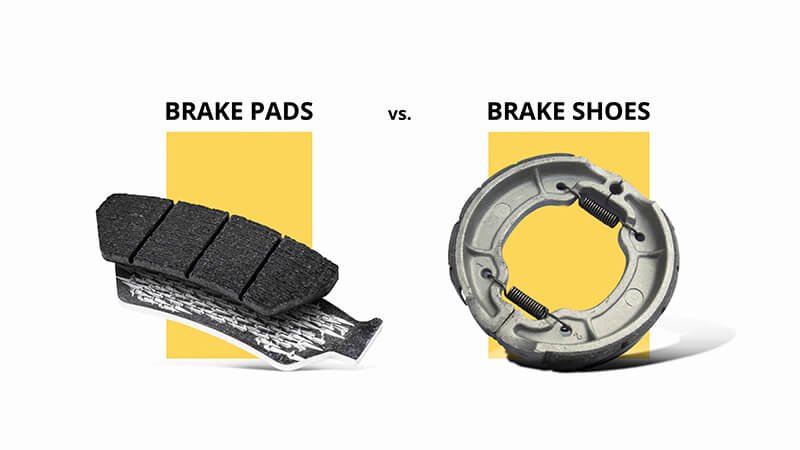
Conclusion
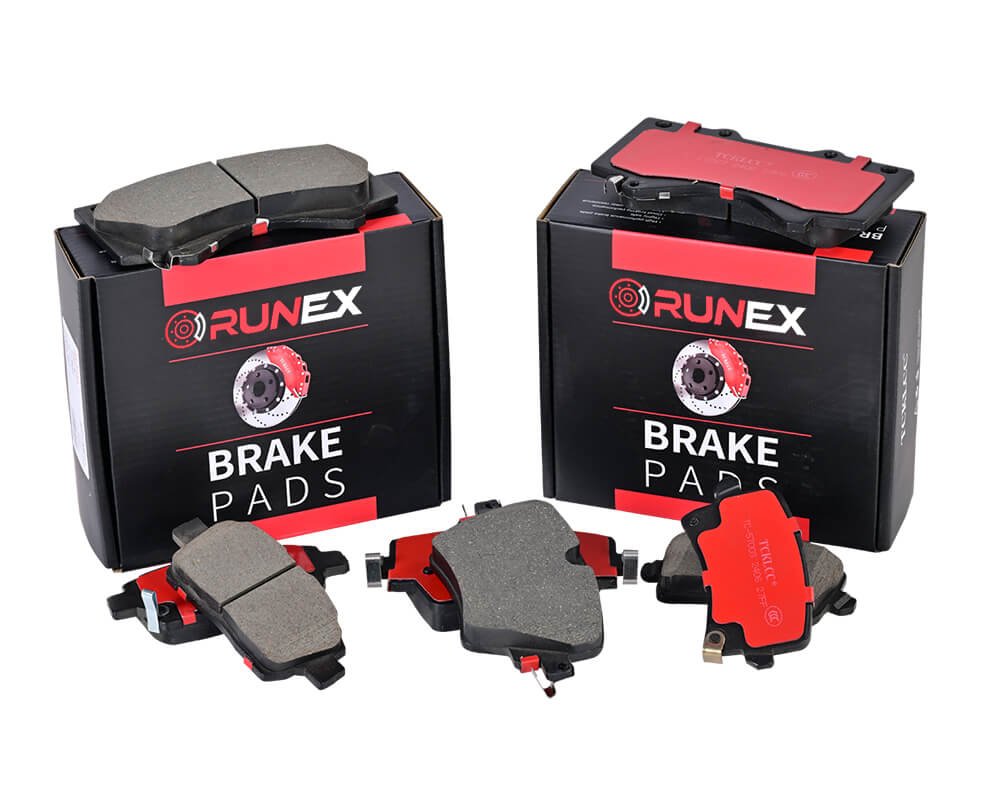
Brake pads 12 and rotors don’t have a fixed lifespan—but understanding how they work, what affects their wear, and how to inspect them helps avoid costly surprises. At Runex Auto, we work with clients around the world to offer high-quality, long-life brake components tailored to real driving conditions. Whether it’s ceramic pads for urban traffic or heavy-duty rotors for commercial fleets, we help buyers like Joe make informed, confident decisions.
If you’re tired of guessing when to replace brakes—or replacing them too often—maybe it’s time to switch suppliers.
-
Understanding the impact of driving style on brake wear can help you adjust habits for better longevity and safety. ↩
-
Exploring brake pad materials can guide you in choosing the best option for your vehicle, enhancing performance and safety. ↩
-
Learning about the relationship between vehicle weight and brake wear can help you make informed decisions for maintenance and safety. ↩
-
Understanding brake pad materials helps you choose the right type for your vehicle, ensuring safety and performance. ↩
-
Learn about rotor longevity to maintain your vehicle's braking system effectively and enhance safety on the road. ↩
-
Learn the best practices for brake pad inspections to maintain vehicle safety and performance. ↩
-
Discover the components of a full brake system audit to ensure your vehicle's braking system is in top condition. ↩
-
Understanding the 30/30/30 rule can enhance your vehicle maintenance strategy, ensuring safety and reliability. ↩
-
Understanding the causes of warped rotors can help you prevent costly repairs and ensure safer driving. Explore this resource for expert insights. ↩
-
Discover the implications of grinding or squealing brakes and learn how to address these issues effectively for your vehicle's safety. ↩
-
Learn why OEM-grade rotors are essential for optimal vehicle performance and safety, ensuring you make informed choices for your car. ↩
-
Find the best auto brake pads from Runex, and clicking this link to get your best products and prices. ↩