
If you’re running a fleet, the pressure to reduce service stops is real. But trying to stretch oil filter life too far? That’s a shortcut that often leads straight to engine trouble.
You should change your oil filter every time you change the oil—especially with modern engines. Going too long without a clean filter causes sludge buildup, poor lubrication, and serious wear.
You might not see the problem immediately. But trust me, when engines start failing from pressure loss or internal gunk, the cost of skipping that filter change gets very real, very fast.
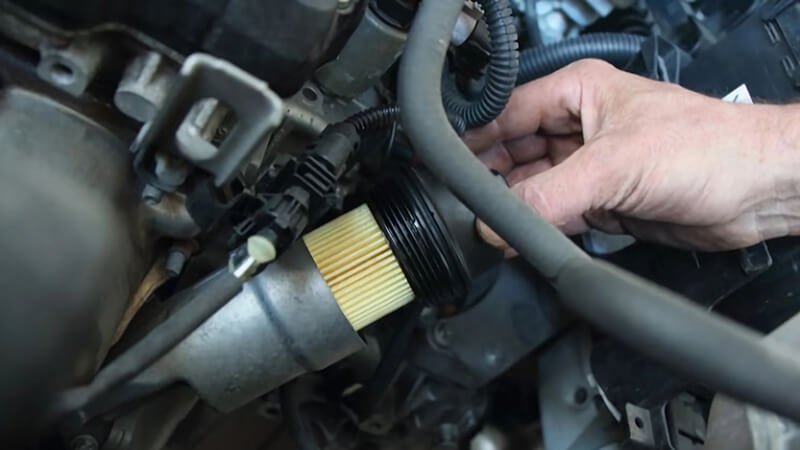
What happens if I don't change my oil filter?
Skipping oil filter changes might seem like a small thing—especially if the oil still looks clean. But over time, the consequences build up. I’ve seen fleets gamble with long intervals, only to lose engines in the field. That’s a risk no fleet manager wants.
If you don’t change your oil filter, contaminants build up inside the filter media. Eventually, the filter clogs, and unfiltered oil starts circulating. That means dirt, metal particles, and combustion byproducts attack your engine.
What actually clogs the oil filter?
The oil filter’s job is to trap contaminants—dirt, soot, microscopic metal shavings. Over time, the filter media fills up. When it's overloaded, two things can happen:
- Bypass valve opens: Most oil filters have a bypass valve. When the filter clogs, oil bypasses the filter. That means dirty oil1 continues circulating.
- Oil flow drops: If the filter is too blocked and there's no bypass, oil pressure drops. That’s a fast track to engine wear—or failure.
| Contaminant Type | Source | Impact on Engine |
|---|---|---|
| Dirt & Dust | Air intake leaks, bad seals | Abrasive wear on moving parts2 |
| Soot | Incomplete combustion | Sludge formation |
| Metal Particles | Engine wear or part failures | Accelerated internal damage |
| Additive Breakdown | Aged oil chemistry | Oil loses lubricating effectiveness |
I had one customer who kept the same oil filter for over 20,000 km. The oil looked okay, but oil pressure was down and a cylinder seized. We tore it down—filter was full, and sludge was everywhere. After that, he switched to Runex filters and started syncing changes with oil intervals.

How urgent is an oil filter change?
When budgets are tight and schedules are packed, it’s tempting to delay maintenance. But oil filter changes aren’t optional. If you skip it too long, you’re gambling with your entire engine. That’s not worth the risk—especially for fleets running tight delivery deadlines.
Changing your oil filter isn’t just routine—it’s urgent. A clogged filter cuts oil flow and forces dirty oil into engine parts. The longer you wait, the higher the chance of permanent damage.
How fast can damage happen?
The speed depends on the engine, oil type, and load. But in high-demand applications—like fleet vehicles or heavy loads—oil filters work harder. Sludge builds faster. In some cases, damage from oil starvation can start in just a few hundred kilometers3 once the filter’s blocked.
| Scenario | Risk Level | Urgency of Filter Change |
|---|---|---|
| Light-duty car, city driving | Low | Change with every oil change |
| Delivery van, stop-and-go use | Medium | Change every 5–7k miles |
| Fleet truck, heavy loads | High | Don’t exceed 10k km |
| Extended oil drain intervals | Very High | Use high-capacity filters |
That’s why we design Runex oil filters with extended service life and high contaminant-holding capacity4. In one case, a fleet was stretching filter changes beyond 15,000 km5 and facing repeat breakdowns. Our filters stopped the failures. Now their trucks run cleaner, and their service team finally gets to focus on real issues—not just oil filter damage.

How long can you drive with a dirty oil filter?
There’s no simple answer—it depends on the filter, engine condition, and driving habits. But there’s always a line. Once you cross it, the risks spike fast.
Most manufacturers recommend changing the oil filter every 3,000–7,500 miles. Premium filters may last 10,000–15,000 km—but pushing beyond that can choke oil flow and kill your engine.
What signs tell me the oil filter is done?
You might not notice anything... until it’s too late. But here are red flags:
1. Low oil pressure6
Your dashboard gauge may drop—or you might get a warning light. This usually means the filter is clogged and restricting oil flow.
2. Increased engine noise7
Valvetrain or ticking sounds mean poor lubrication. Could be low oil—or oil not flowing freely.
3. Dark, gritty oil8
Check your dipstick. If oil feels dirty, thick, or smells burnt, the filter might not be doing its job anymore.
4. Engine overheating
Without proper oil flow, friction increases. That builds heat fast.
| Mileage Run | Filter Condition | Recommendation |
|---|---|---|
| < 5,000 km | Likely still effective | Monitor but don’t delay |
| 5k–10k km | Approaching limit | Replace at next oil change |
| 10k–15k km | High risk of saturation | Use only high-capacity filter |
| > 15k km | Overdue & dangerous | Immediate replacement needed |
I’ve seen it happen. One UK fleet manager tried saving on filters by using cheap ones and skipping changes. Engines started failing after just 18,000 km. Once we switched him to Runex extended-life filters and set filter swaps with oil changes, failures dropped to zero.

Is it OK to leave old oil filter on?
Let’s be clear: leaving the old filter on with new oil is like brushing your teeth but never changing your toothbrush. It might seem like you’re saving time—but the damage adds up.
No, it’s not OK to leave an old oil filter on. Used filters are already saturated with debris. Installing fresh oil without a new filter just re-circulates contaminants. That shortens oil life and increases wear.
Why filter and oil must go together
Even if the old filter “looks fine,” it’s already loaded with what it has caught. Running clean oil through it just gives that sludge another chance to re-enter the engine.
Let’s look at the logic:
| Maintenance Action | Oil Quality | Engine Protection | Long-term Cost |
|---|---|---|---|
| New oil + old filter | Partial | Low | High |
| Old oil + old filter | Poor | Very low | Very high |
| New oil + new filter | Optimal | High | Lower overall |
At Runex, we supply filters designed to match modern synthetic oil drain intervals9. Our OEM partners love them because they’re built to hold more sludge, maintain flow, and last longer—without risking engine damage.
One of our partners said it best: "Swapping oil without the filter is like taking a shower but putting on the same dirty clothes." I couldn’t agree more.

Conclusion
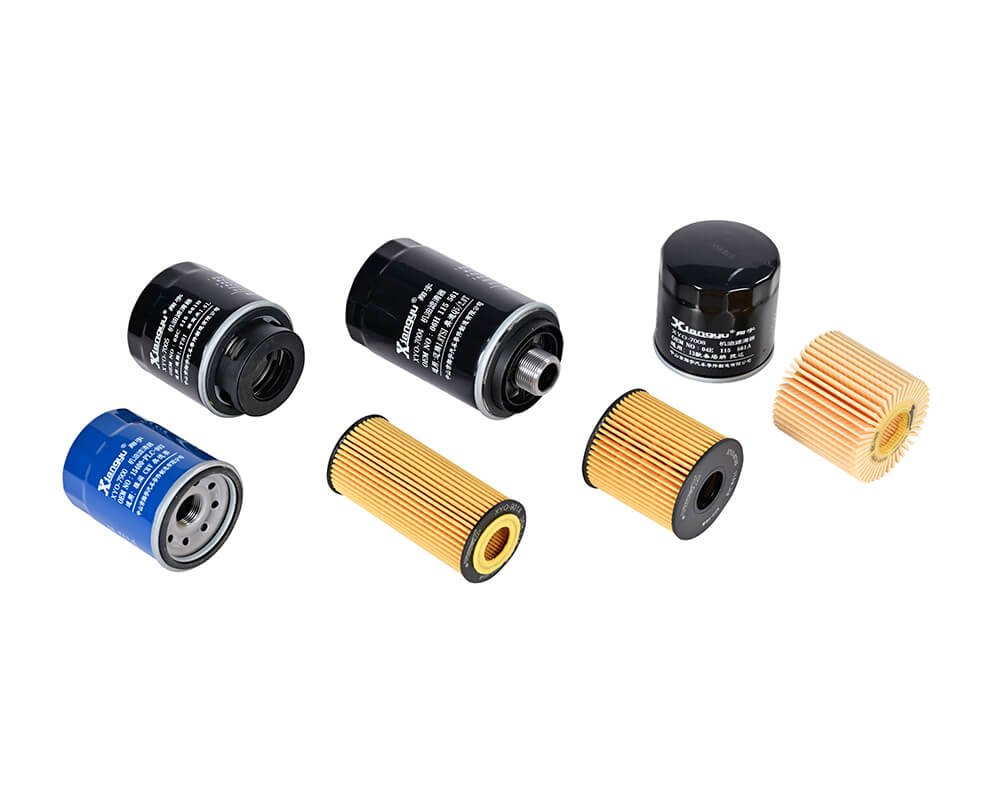
Oil filters10 are small, but their job is massive. Delay a change, and you invite dirty oil, low pressure, and engine breakdowns. For me, the solution is clear: match oil and filter change intervals. Use a high-capacity, well-built filter—like the Runex oil filters we supply—especially if you're running synthetic oil or longer drain cycles. It saves money, protects engines, and keeps your fleet rolling without surprise stops.
-
Understanding the impact of dirty oil can help you maintain your engine's health and longevity. Explore this link for detailed insights. ↩
-
Learn how abrasive wear can lead to costly repairs and engine failure, and discover ways to prevent it. ↩
-
Understanding the timeline for potential engine damage can help in timely maintenance and prevent costly repairs. ↩
-
Exploring the advantages of high-capacity filters can enhance your vehicle's performance and longevity. ↩
-
Learn about the dangers of delaying oil filter changes to avoid engine failures and costly repairs. ↩
-
Understanding low oil pressure can help you prevent engine damage. Explore this link for detailed insights and solutions. ↩
-
Increased engine noise can indicate serious issues. Learn more about its causes and how to address them by following this link. ↩
-
Dark, gritty oil can signal filter issues. Discover more about oil quality and maintenance tips through this resource. ↩
-
This link will explain the significance of synthetic oil drain intervals and how they affect engine health and performance. ↩
-
Clicking this link to get all types of auto oil filter from Runex Auto and get the best prices and solutions. ↩