I know brake jobs can feel risky. Brakes are safety parts. A mistake can cost money and trust. I want a simple, safe, and repeatable way to do it right with less stress and better results.
I replace front brake pads by securing the car, removing the caliper, swapping the pads, resetting the piston, and torquing all hardware to spec. I use new hardware and grease. I check rotor thickness and run-out. I finish with proper bedding to lock in performance.
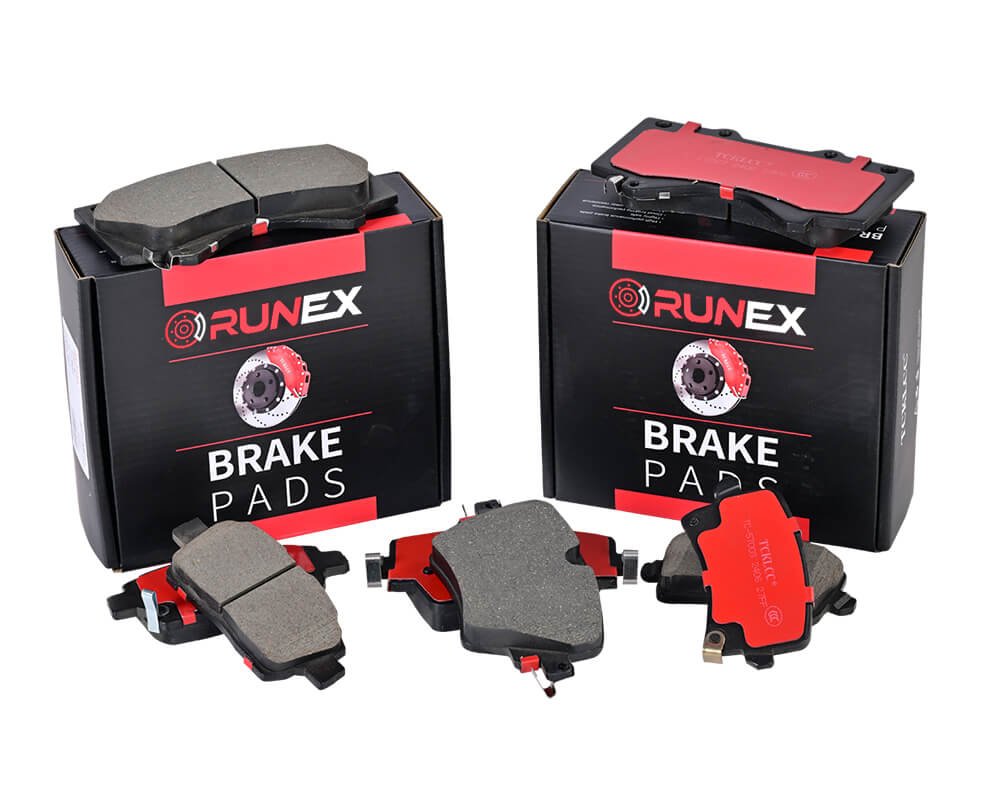
I will share a clean process that fits both a busy garage and a small workshop. I will point to common risks and simple checks. I will use Runex Auto brake pads as the base, because I trust their material, quality control, and support.
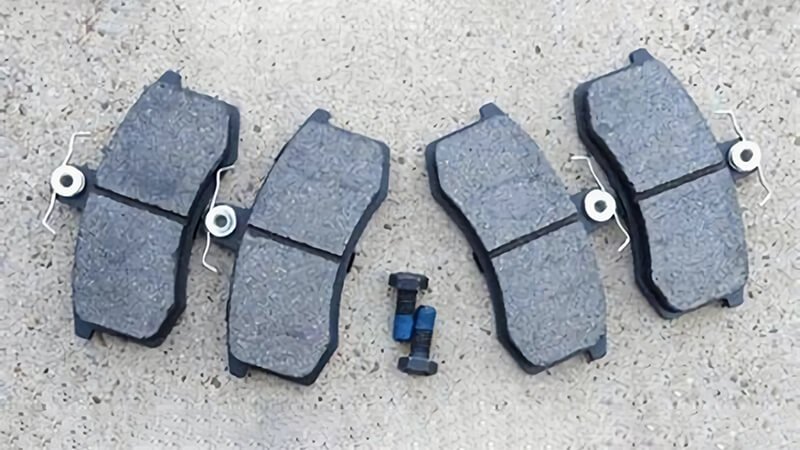
Is Replacing Brake Pads An Easy Job?
I see many guides that say the job is simple. I agree and I do not agree. The steps are clear and short. The risks are real if you skip checks. I think it is easy when you follow a checklist and use the right pads.
Replacing brake pads is easy if you follow a set process and use the right tools. With Runex Auto brake pads, I get consistent fit and hardware. I clean and lube contact points. I torque to spec. I do not rush. I test at low speed first. I use strict bedding so the pads seat fast.
Dive Deeper: A Clear Process That Reduces Risk
I start with safety. I park on flat ground. I use wheel chocks. I use jack stands, not just a jack. I wear gloves and eye protection. I keep brake cleaner1 and rags near me. I keep a torque wrench2 ready. I also print or open the torque specs for the car. I keep a short list of steps on the bench. This keeps me calm and correct.
I move to inspection. I check rotor thickness and run-out. I feel the rotor surface. I look for cracks, hot spots, or deep grooves. I check the caliper boots for tears. I check the slide pins for smooth motion. I check the flex hose for bulges. I check the pad wear pattern to spot a stuck pin or a seized piston. I note all issues before I swap parts. I fix causes, not only symptoms.
Now the replacement. I remove the caliper bolts. I hang the caliper on a hook or wire. I never let it hang by the hose. I remove the old pads and the shims. I clean the bracket ears with a wire brush. I install new hardware from the Runex Auto kit. I apply a thin layer of high-temp brake grease on pad ears and slide pin boots. I do not grease friction surfaces. I compress the piston with a compressor tool and an old pad. I keep the brake fluid cap open and watch the reservoir. I do not overflow.
I install the new Runex Auto pads. I check the fit. I confirm the anti-rattle clips are seated. I reinstall the caliper. I torque the bolts to the spec. I pump the brake pedal until it firms up. I top up fluid if needed. I reinstall the wheel and torque lug nuts in a star pattern.
I finish with function checks. I spin the wheel by hand to feel for drag. I lower the car. I do a slow test in a safe area. I listen for noise. I check for pull or vibration. I then follow a short bedding schedule3 to stabilize friction.
Here is a simple table I keep:
| Step | What I Do | Why It Helps | Risk If Skipped |
|---|---|---|---|
| Secure & lift | Chock, jack stands | Prevent injury | Car falls |
| Inspect | Rotor, pins, boots | Fix root causes | Repeat wear |
| Clean & lube | Bracket ears, pins | Smooth movement | Noise, drag |
| Replace hardware | New clips/shims | Stable fit | Rattle, uneven wear |
| Compress piston | Controlled, clean | Proper clearance | Drag, overheating |
| Torque bolts | Spec tools | Safe clamp | Loose or stripped |
| Bed pads | Follow steps | Stable friction | Noise, fade |
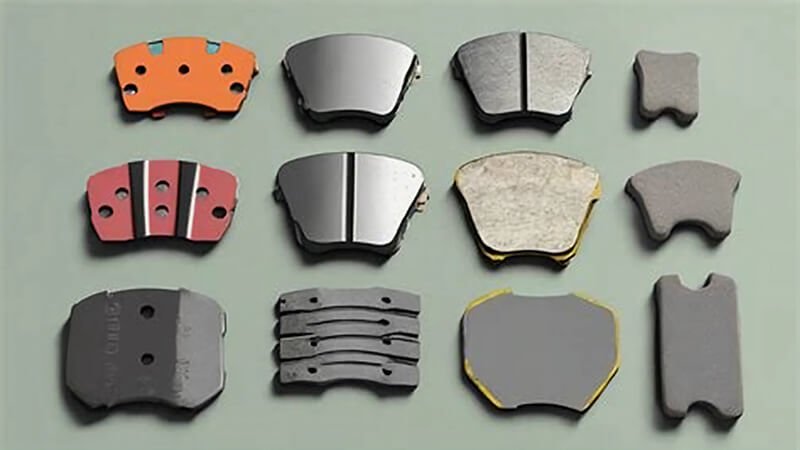
Runex Auto pads4 make this easier. The shims fit well. The tolerances are tight. The friction layer is even. The finish on backing plates is clean. I feel the difference when I slide the pad into the bracket. It sits right. That saves time and avoids force.
What Is The Rule Of Thumb When Replacing Brake Pads?
I like rules that are simple and strong. I do not want to think hard about basics when the car is in the air. So I keep a small set of rules that always work with Runex Auto brake pads.
The rule of thumb is to replace pads in axle pairs, inspect and service hardware, measure rotors, use proper torque, and complete bedding. I never mix unknown pad types on the same axle. I replace wear sensors and hardware with the pads for consistent results.
Dive Deeper: Five Rules That Prevent Most Comebacks
I keep five rules on my wall. They look simple. They stop most problems.
1) Replace both sides on the axle. I want balanced friction and wear. I do not fight the car on the road. Runex Auto5 offers sets that include both sides and hardware, so this step is smooth. The friction formula matches. The shim design matches. The noise profile matches.
2) Service the hardware. I remove rust on the bracket ears. I replace the clips. I clean and grease slide pins with the right grease. I make sure boots seal well. I also check caliper piston faces. I keep them clean. This prevents drag and noise. Runex Auto kits include hardware that fits tight, so I do not chase rattles later.
3) Measure and match the rotor to the pad. I measure thickness. I check against the minimum spec. I check run-out. I resurface only when it keeps thickness above spec and the surface is true. I replace rotors if needed. Runex Auto pads work best with a clean, flat rotor. This gives even contact and short bedding time.
4) Use the right torque and sequence. I torque caliper bolts to spec. I torque wheels in a star pattern. I use a torque wrench6, not only an impact gun. I avoid seized bolts and warped rotors. I write the torque number in my job notes. I use the same process every time.
5) Bed the pads. I follow a short, clear schedule. I do a series of moderate stops. I avoid hard stops to a full hold in the first minutes. I let the brakes cool between cycles. This forms a stable transfer layer. Runex Auto provides a bedding guide7 that fits their semi-metallic and ceramic lines. I keep it in the glove box for the customer or the driver.
I also add one more rule for B2B buyers. Verify certifications. I prefer ECE R90 approval8 for European fitments. I check IATF 16949 or ISO/TS 16949 for the plant. This is my steady rule when I source. It keeps quality high and risk low. As I say in my sourcing notes, “When sourcing auto brake pads, I prioritize suppliers with ECE R90 or ISO/TS 16949 certifications to ensure compliance with stringent safety standards. This approach not only guarantees quality but also aligns with regulatory requirements, offering peace of mind to our clients.”
Here is a quick summary:
| Rule | Action | Checkpoint | Result |
|---|---|---|---|
| Axle pairs | Replace both sides | Pad thickness match | Balanced braking |
| Hardware | Clean, replace, lube | Free slide pins | Quiet operation |
| Rotors | Measure and match | Above min, low run-out | Even wear |
| Torque | Use spec and sequence | Caliper and wheel | Safe clamp |
| Bedding | Follow guide | Transfer layer formed | Stable friction |
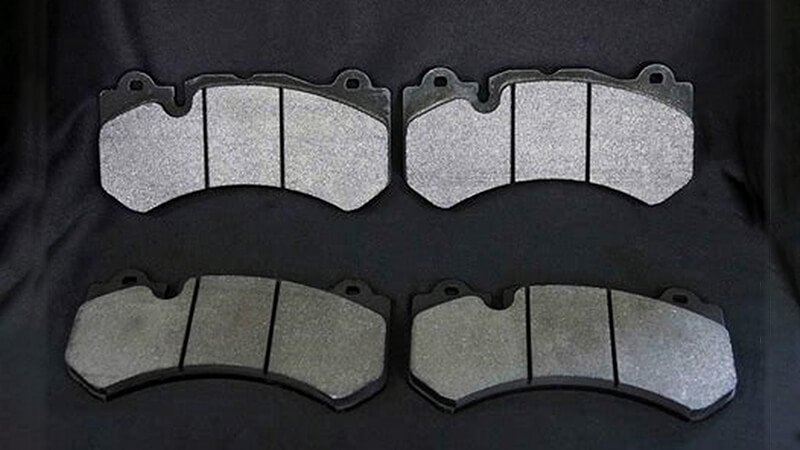
Runex Auto pads support these rules. The friction mix is stable. The backing plate flatness is tight. The shims resist heat and noise. The result is a quick bed and clean feel.
How Long Does It Take For New Brake Discs And Pads To Bed In?
I get this question a lot. People want the car to stop well on day one. I want that too, but I also want long life and low noise. Bedding is the bridge. It sets the transfer layer on the rotor and stabilizes the pad surface.
New brake discs and pads bed in over 150 to 300 km of normal driving, or over a focused 20 to 30 stop bedding routine. With Runex Auto pads, I use a simple schedule with gradual heat cycles. I avoid long holds at a stop when the brakes are hot. I allow cool-down between sets.
Dive Deeper: A Simple Bedding Plan For Stable, Quiet Brakes
I keep my bedding plan9 short and clear. I want to build heat step by step. I want a thin and even transfer layer. I want the pad to relax into the rotor surface. I also want a plan that any driver can follow on a safe road.
Phase 1: I do 8 to 10 gentle stops from 50 km/h to 10 km/h. I use light to medium pedal force. I do not hold the brake after each stop. I roll forward if I must. I let the brakes cool for 20 to 30 seconds between stops. This warms the pad and rotor without hot spots.
Phase 2: I do 8 to 10 medium stops from 70 km/h to 20 km/h. I increase pedal force a bit. I still avoid holding the brake when stopped. I allow more cool-down between stops. I feel for smell and fade. I expect a small smell. I do not chase hard stops yet.
Phase 3: I do 4 to 6 strong stops from 80 km/h to 20 km/h. I do not go to a full stop. I let the brakes cool for a few minutes after this phase. I then drive normally and avoid panic stops for the rest of the day.
I can also do a time-based approach in city use. I ask the driver to avoid hard holds and high heat in the first two days. I ask them to vary speed and use smooth stops. I ask them to avoid towing in the first 200 km. This slow ramp still forms a good layer.
Runex Auto pads10 help because the friction mix is stable across heat. The compressibility is controlled. The backing plate flatness is tight. The shim adhesive holds. The start-up friction is strong enough for safe early stops, but it does not spike and glaze the rotor. This makes the bedding window wide and forgiving.
I keep this table in my delivery notes:
| Phase | Speed Range | Stops | Pedal Force | Cool-Down | Notes |
|---|---|---|---|---|---|
| 1 | 50→10 km/h | 8–10 | Light–Medium | 20–30 sec | Do not hold at full stop |
| 2 | 70→20 km/h | 8–10 | Medium | 30–60 sec | Watch for smell, normal |
| 3 | 80→20 km/h | 4–6 | Medium–Firm | 2–5 min | No panic full stops |
I also explain why it matters. Bedding forms a thin layer of pad material11 on the disc. The pad then rides on that layer. This reduces wear and noise. It also smooths torque. Without bedding, the pad can create uneven deposits. That causes vibration and brake judder12. I prefer ten extra minutes of care to avoid weeks of complaints.
Are Ceramic Brake Pads Worth It?
I have tested many formulas. I have used semi-metallic and ceramic pads in fleets and retail. I look at noise, dust, rotor wear, and life. I also watch pedal feel and high-heat behavior. I match the pad to the duty.
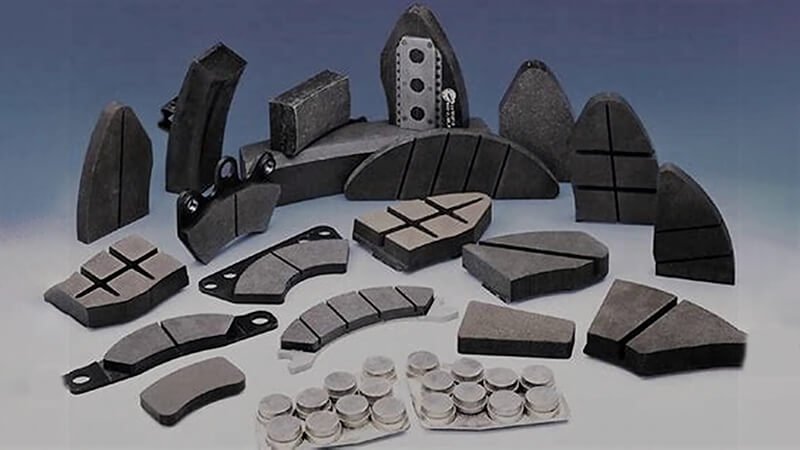
Ceramic brake pads are worth it when you want lower dust, less noise, and longer life in normal to moderate use. Runex Auto ceramic pads use heat-stable fibers and fillers. They handle daily heat well. They protect rotors. They can lower total cost for fleets that do not face extreme loads.
Dive Deeper: Where Ceramic Pads Shine And Where They Do Not
I compare ceramic and semi-metallic pads13 by use case. Ceramic shines in city and highway use with standard loads. It gives a quiet stop and clean wheels. It wears slow on both pad and rotor. It has stable friction over the temp range that most drivers see each day. It needs proper bedding, but it beds fast with a good rotor. Runex Auto ceramic pads14 use a blend that resists fade and keeps friction even across heat cycles. The shims are multi-layer and bond well. This cuts squeal.
In heavy towing, mountain roads, or track use, semi-metallic can still win. It moves heat faster and can hold higher friction at very high temps. It may dust more and wear rotors faster. It can also be noisier at low speeds in cold weather. I pick semi-metallic for duty cycles that push brakes near limits. Runex Auto semi-metallic pads handle that well with robust fibers and steel content.
I think value means total cost over time15, not only the first price. I look at pad life, rotor life, labor time, and complaint rate. Our client story shows this well. A fleet manager came to us with frequent pad changes. Downtime was high. We moved them to Runex Auto ceramic pads that handle heat better and last longer. The fleet saw fewer maintenance stops. The schedule got smoother. The total cost dropped. The drivers also liked the clean wheels and quiet stops.
Here is how I frame the choice:
| Factor | Ceramic (Runex Auto) | Semi-Metallic (Runex Auto) | My Take |
|---|---|---|---|
| Noise | Lower | Medium | Ceramic for quiet fleets |
| Dust | Lower | Higher | Ceramic for clean wheels |
| Rotor Wear | Lower | Higher | Ceramic protects discs |
| High-Heat | Good | Better | Semi-metallic for extreme |
| Life | Long | Medium–Long | Ceramic lasts longer in normal use |
| Cost | Higher upfront | Lower upfront | Ceramic wins on total cost in many fleets |
I also consider certification and QC. Runex Auto pads come from IATF 16949 certified16 plants. Many references also hold ECE R90. This gives me confidence on consistency and legal use in Europe. I like to say what I do in sourcing. I check the certificate on the official database. I match the scope and the site. I ask for the R90 report number. I verify the label format and traceability.
I share a simple rule for ceramic pads. Match the pad to the rotor quality and bedding plan. Keep caliper hardware clean. Follow the torque spec. These steps unlock the benefits. If you skip them, you give up the gains and you risk noise. When I do it right, ceramic pads are worth it for most daily drivers and many fleets.

Conclusion
I replace front brake pads 17 with a clear process. I keep safety first. I inspect rotors and hardware. I use Runex Auto brake pads for reliable fit, stable friction, and strong shims. I torque all fasteners to spec. I bed the pads with a short plan to lock in performance. I follow simple rules that prevent most comebacks. I choose ceramic when I want low dust, quiet stops, and long life, and I choose semi-metallic for heavy heat. I verify certifications like ECE R90 and IATF 16949 when I buy. This method keeps my costs steady, keeps my clients safe, and keeps my brand strong.
-
Explore this link to find the best brake cleaner options that ensure safety and efficiency during your brake maintenance. ↩
-
Learn how to properly use a torque wrench to ensure safe and accurate tightening of bolts, crucial for vehicle safety. ↩
-
Understand the significance of a brake bedding schedule to enhance brake performance and longevity. ↩
-
Discover the advantages of Runex Auto pads, known for their quality and performance in brake systems. ↩
-
Explore Runex Auto's offerings to ensure you have the best components for your brake system, enhancing safety and performance. ↩
-
Learn the proper use of a torque wrench to avoid common mistakes and ensure safe and effective installations. ↩
-
Discover the importance of a bedding guide to optimize brake performance and longevity, ensuring a smooth driving experience. ↩
-
Understanding ECE R90 approval helps you choose compliant and high-quality brake pads, ensuring safety and reliability. ↩
-
Understanding a bedding plan is crucial for ensuring optimal brake performance and longevity. ↩
-
Explore the advantages of Runex Auto pads for stable braking and improved safety. ↩
-
Learn how a thin layer of pad material enhances braking efficiency and reduces wear. ↩
-
Discover the causes of brake judder and effective strategies to prevent it for a smoother ride. ↩
-
Learn when semi-metallic pads outperform ceramic options, especially in high-stress driving conditions. ↩
-
Explore the advantages of ceramic pads, including their quiet operation and longevity, to enhance your vehicle's performance. ↩
-
Understanding total cost over time helps in making informed decisions for brake pad purchases and maintenance. ↩
-
Discover the significance of IATF 16949 certification in ensuring quality and reliability in automotive components. ↩
-
Find the best auto brake pads from Runex Auto. ↩