
When it comes to maintaining your car's braking system, you may wonder whether you need to replace all components, such as brake pads, rotors, and calipers, at once. The short answer is no, but understanding the role of each part is key to knowing when and why they should be replaced. Let’s dive into the details.
You don’t always have to replace brake pads, rotors, and calipers at the same time. While brake pads and rotors are typically replaced together, calipers are generally replaced only when they fail or start leaking. Understanding their individual performance and how they work together can help you decide when it's time to replace each part.
Now that we’ve covered the general idea, let’s take a closer look at the specifics of when and why you should replace each of these components, starting with the most common question: can you just replace the brake pads and leave the rotors?

Is It OK to Just Replace Brake Pads and Not Rotors?
It’s a common question: can you just replace the brake pads without replacing the rotors? The answer depends on the condition of your rotors. While it’s often possible to only replace the brake pads, there are situations where replacing both the pads and rotors is necessary for optimal braking performance.
Replacing just the brake pads without replacing the rotors is possible if the rotors are still in good condition. However, worn-out or damaged rotors can cause uneven braking and premature wear on your new pads. It’s generally a good idea to replace both when they show signs of wear.
Let’s break this down further: the relationship between brake pads1 and rotors is crucial for your vehicle’s braking performance. While you can technically replace just the brake pads, there are a few important factors to consider before making that decision.
When to Replace Only Brake Pads
You can replace only the brake pads if your rotors are in good shape. If the rotors are smooth, free of cracks, and have adequate thickness, then replacing just the brake pads will be sufficient. In fact, doing so can save you money and time. If you're replacing your brake pads but notice that your rotors are still in good condition, you can reuse them without sacrificing performance.
Table: When to Replace Only Brake Pads
| Condition of Rotors | Brake Pad Replacement Need | Action to Take |
|---|---|---|
| Smooth, no cracks | Brake pads are worn | Replace only the brake pads |
| No grooves or cracks | Minor wear on pads | Replace only the brake pads |
| Adequate thickness | Normal wear on pads | Replace only the brake pads |
When to Replace Both Brake Pads and Rotors
However, if your rotors are warped, grooved, or too thin, replacing only the brake pads may lead to suboptimal performance. Worn-out rotors will affect how the new pads make contact with the braking surface, leading to uneven wear, vibration, and potentially a compromised braking system2. When rotors are damaged or overly thin, it’s recommended to replace both the pads and rotors3 at the same time.
Table: When to Replace Both Brake Pads and Rotors
| Condition of Rotors | Brake Pad Replacement Need | Action to Take |
|---|---|---|
| Warped or cracked | New brake pads needed | Replace both pads and rotors |
| Grooved or scored | Uneven pad wear expected | Replace both pads and rotors |
| Too thin (below spec) | New brake pads needed | Replace both pads and rotors |
The key is to inspect both parts carefully. If you can feel uneven wear on the rotors or notice grooves or cracks, it’s a clear sign that they need to be replaced.

Do Brake Calipers Need to Be Replaced with Brake Pads?
Unlike rotors, brake calipers don’t need to be replaced every time you change your brake pads. Calipers are designed to last a long time, but there are certain situations where caliper replacement is necessary. Let’s explore when that happens.
Brake calipers usually don’t need to be replaced with brake pads unless they are damaged or leaking. Calipers can last the lifetime of the vehicle, but if they fail to function properly, it’s important to replace them to maintain safe braking performance.
While replacing brake pads is a common maintenance task, calipers usually don't need to be replaced with every pad change. Calipers are made to be durable and can often last the life of the vehicle. However, they are not immune to wear and tear, and they may need replacing if specific issues arise.
Signs You Need to Replace Your Brake Calipers
Brake calipers should only be replaced when they show signs of malfunction. The most common issues that require caliper replacement are:
- Leaking Brake Fluid4: If you notice fluid leaking from your brake calipers, it’s a sign that the seals are damaged, and the calipers need to be replaced.
- Uneven Braking5: If your vehicle pulls to one side during braking, it may be a sign that one or more calipers are sticking or malfunctioning.
- Seized Calipers6: Over time, the calipers’ internal components can seize up, causing the brake pads to wear unevenly or not apply enough pressure. This can lead to reduced braking efficiency and increased risk of accidents.
- Visual Damage: Physical damage to the calipers, such as cracks or dents, also warrants replacement.
Table: Signs Your Brake Calipers Need to Be Replaced
| Sign of Failure | Cause | Action to Take |
|---|---|---|
| Leaking brake fluid | Damaged seals or corrosion | Replace the brake calipers |
| Vehicle pulling to one side | Sticking calipers | Replace the faulty calipers |
| Seized calipers | Rust, age, or heat damage | Replace the calipers |
| Visible damage | Cracks or dents | Replace the calipers |
In general, as long as your calipers are working correctly, there’s no need to replace them when changing the brake pads. However, if you're experiencing any of the above issues, it's important to replace the calipers to maintain braking efficiency and safety.
How Often Do You Need to Replace Brake Calipers and Rotors?
Understanding how often to replace your brake calipers and rotors is crucial to maintaining optimal braking performance. These components wear out differently based on driving conditions, but regular inspection is the key to preventing major issues.
Brake rotors usually last around 30,000 to 70,000 miles, while calipers can last the lifetime of your vehicle. However, both should be inspected regularly to ensure they are functioning properly and to catch any signs of wear or failure before they become a safety issue.
The lifespan of brake rotors7 and calipers can vary depending on how you drive and the quality of your vehicle’s components. While brake pads are replaced more frequently, rotors and calipers usually last much longer.
Brake Rotors
Brake rotors generally last between 30,000 and 70,000 miles, but this can vary based on driving conditions. For example, if you drive in mountainous areas where you frequently engage in hard braking, your rotors may wear out more quickly. Similarly, city driving with lots of stop-and-go traffic can lead to faster rotor wear. Always check your rotors for signs of uneven wear, cracks, or grooves. If you notice any, it’s time to replace them.
Table: Brake Rotor Lifespan Based on Driving Conditions
| Driving Condition | Average Lifespan (Miles) | Action to Take |
|---|---|---|
| Light, highway driving | 50,000 - 70,000 miles | Inspect regularly |
| Frequent hard braking (mountain driving) | 30,000 - 50,000 miles | Replace sooner if needed |
| City driving with frequent stops | 40,000 - 60,000 miles | Replace sooner if needed |
Brake Calipers
Brake calipers, on the other hand, can last the lifetime of your vehicle. However, they can still fail due to wear, leakage, or corrosion. In some cases, especially in older vehicles, calipers may need to be replaced after around 100,000 miles or so, depending on the vehicle’s condition. Regular maintenance and inspection can help you catch problems before they escalate.
Routine brake system checks8 are important to ensure both the calipers and rotors are working as they should. If you don’t have them inspected regularly, you may end up replacing them too late, which could lead to compromised braking performance or safety risks.
Table: Brake Caliper Lifespan
| Condition | Lifespan (Miles) | Action to Take |
|---|---|---|
| Regular driving conditions | 75,000 - 100,000 | Inspect every 25,000 miles |
| Severe driving conditions | 50,000 - 75,000 | Replace sooner if needed |
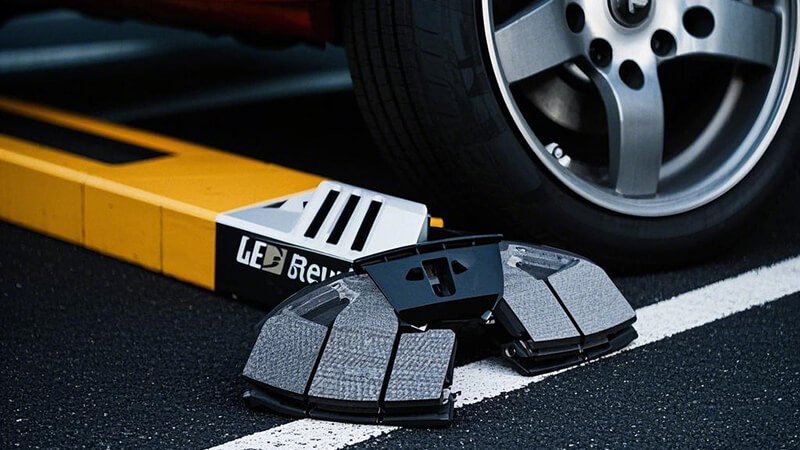
Do You Need to Change Brake Pads and Rotors at the Same Time?
While it’s not always necessary to replace both brake pads and rotors at the same time, there are times when doing so is the best option for your vehicle’s performance. Let's take a closer look at when it's necessary and when it can be skipped.
It's usually a good idea to replace both brake pads and rotors at the same time if the rotors are damaged, worn out, or too thin. This ensures even braking performance and prevents unnecessary wear on your new brake pads.
There are some important factors to consider when deciding whether to change both brake pads and rotors9 simultaneously. Let’s break down when it’s necessary and when you might choose to replace only the pads.
When to Replace Both Pads and Rotors
If your brake rotors are damaged10, warped, or too thin, it’s highly recommended to replace them along with your brake pads. This is especially true if your rotors are beyond resurfacing, as installing new pads on worn-out rotors can lead to uneven braking, poor performance, and faster wear on your new brake pads. Even if your rotors appear to be in good condition, it's wise to replace them if they’ve reached their minimum thickness.
Table: When to Replace Both Pads and Rotors
| Rotor Condition | Recommended Action |
|---|---|
| Warped, cracked, or grooved | Replace both pads and rotors |
| Below minimum thickness | Replace both pads and rotors |
| No cracks but uneven wear | Replace both pads and rotors |
When You Can Just Replace the Pads
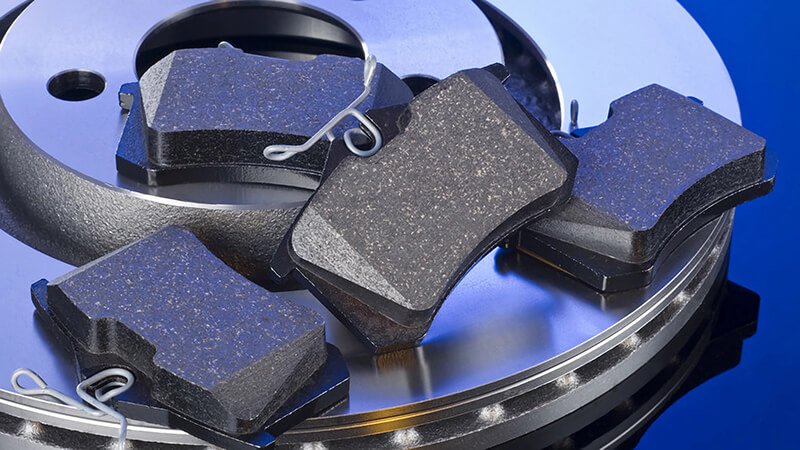
If your rotors are still in good condition, with no visible wear or damage, you can simply replace the brake pads. This is a common practice when your brake pads have worn out but your rotors have maintained their structural integrity. By replacing just the pads, you can save on labor costs and time. Just be sure to inspect the rotors thoroughly to avoid any issues down the line.
Replacing both pads and rotors11 at the same time is often the best practice, but it depends on the condition of your rotors. If they’re still in good shape, replacing just the pads will suffice.
Conclusion
When it comes to brake maintenance, you don’t always need to replace every component at once. Brake pads and rotors are often replaced together, but calipers typically only need to be replaced if they are leaking or malfunctioning. Regular inspections of all components are essential to keep your braking system in optimal condition and ensure your vehicle’s safety.
-
Understanding the benefits of replacing only brake pads can help you save money and maintain your vehicle's performance effectively. ↩
-
Learning about the components of a braking system is essential for effective vehicle maintenance and ensuring safety on the road. ↩
-
Exploring how rotors impact braking performance will enhance your knowledge of vehicle maintenance and safety. ↩
-
Understanding the causes of leaking brake fluid can help you prevent costly repairs and ensure your vehicle's safety. ↩
-
Exploring the causes of uneven braking can help you diagnose issues early and maintain optimal vehicle performance. ↩
-
Learning about seized calipers can help you recognize symptoms early and avoid dangerous driving conditions. ↩
-
Understanding the lifespan of brake rotors can help you maintain your vehicle's braking system effectively. ↩
-
Routine checks are crucial for vehicle safety; learn why they should be a priority for every driver. ↩
-
Understanding the benefits of simultaneous replacement can help you make informed decisions about your vehicle's maintenance. ↩
-
Identifying damaged rotors early can prevent further issues and enhance your vehicle's safety and performance. ↩
-
Know all brands of brake pads, and clicking this link to get your products for your busienss. ↩