
Your fleet breathes the same air your drivers do. If that air is polluted, dusty, or full of allergens, it’s not just comfort that suffers—it’s health, performance, and reputation.
Yes, you can add a HEPA filter to your vehicle's HVAC system—but only if it's engineered for proper fit, pressure balance, and flow rate. Off-the-shelf doesn’t cut it.
Many aftermarket filters make big promises but fail under real driving conditions. I’ve seen fleets suffer. The key is a fit-for-purpose cabin air filter—especially HEPA-grade—that balances capture rate with ventilation efficiency. Let’s break this down.

Can I add an air purifier to a HVAC system?
Urban roads are dusty. Long hauls mean hours of air recirculation. Drivers are in sealed cabins breathing recirculated air full of allergens, fumes, and fine dust. You want to add something that cleans that air. But how?
Yes, air purifiers can be integrated into vehicle HVAC systems—but they must work with existing airflow mechanics, not against them.
Why integration is not plug-and-play
Adding an air purifier1 sounds easy—drop in a HEPA or ionizer and forget it. But it’s more complex:
- HVAC units are pressure-balanced. Adding a high-resistance filter without recalculating the airflow can choke performance.
- Purifier units need space and compatibility. Most passenger vehicles and light trucks are not designed for large add-ons.
- Voltage draw and placement matter. Aftermarket purifiers that hang from vents or plug into cigarette lighters rarely clean air beyond surface level.
A better solution: custom HEPA cabin filters
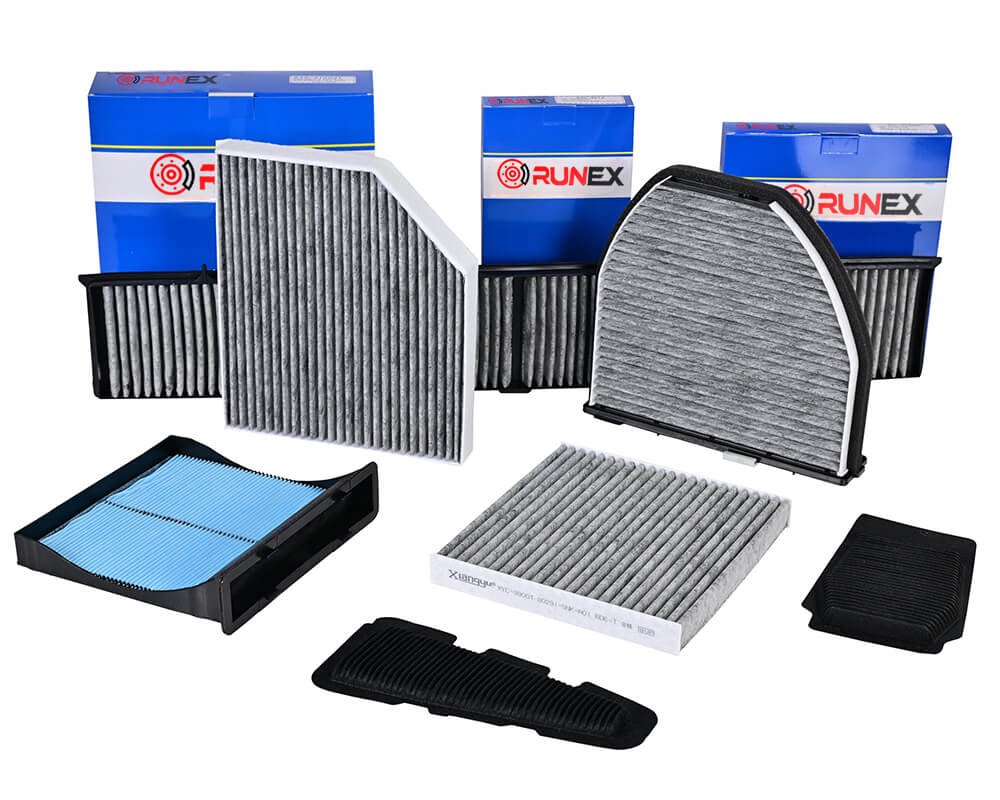
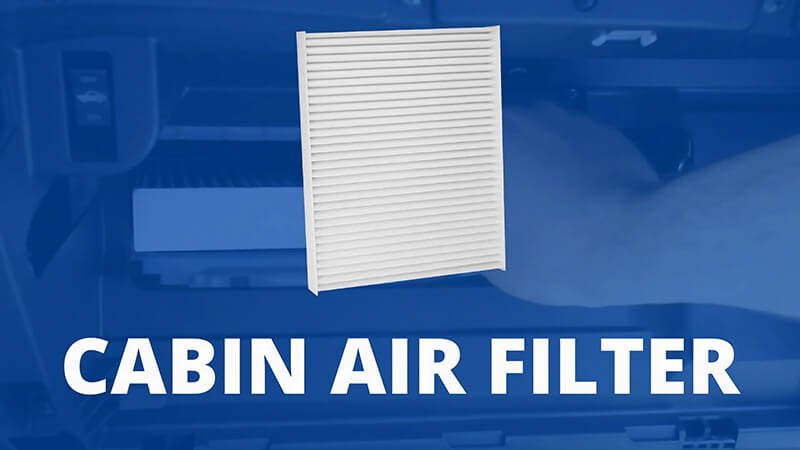
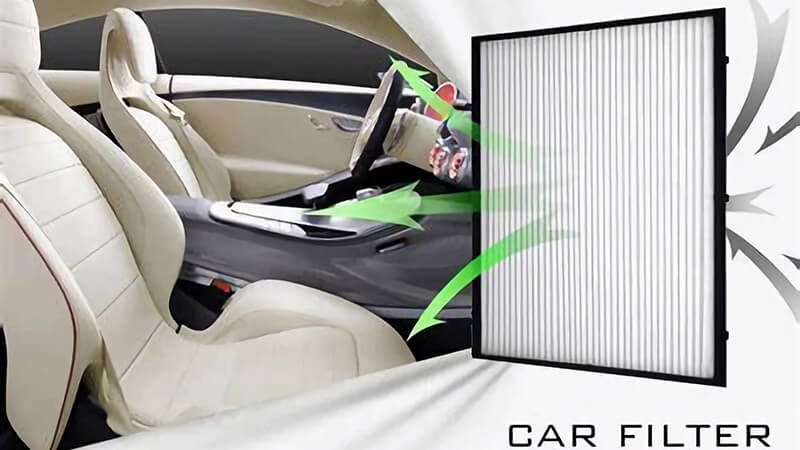
At Runex Auto, we work with OEM specifications and fleet dimensions to create HEPA-grade cabin filters2. These trap 99.97% of particles ≥0.3μm—including PM2.5 and UFPs (ultrafine particles)—without restricting HVAC performance.
| Feature | Standard Cabin Filter | HEPA Cabin Filter (Runex) |
|---|---|---|
| Particle capture rate | 40–60% | 99.97% |
| Handles PM2.5 / UFPs | Partially | Yes |
| Airflow pressure drop | Moderate | Low-to-moderate (optimized) |
| Fitment customization | Limited | Fully adaptable |
| VOC / fume blocking option | Rare | Available with carbon layer |

Are HVAC air purifiers worth it?
Every dollar counts in fleet maintenance. But when drivers report headaches, ACs clog up early, or allergies increase, you have to ask—are HVAC air purifiers just a luxury or a real upgrade?
They are absolutely worth it when they prevent HVAC failures, improve cabin air, and cut warranty claims. But only if the solution is engineered to match the system.
ROI from the field: a case study
One of our long-term clients runs urban delivery vans across high-pollution areas. Drivers complained about “smelly AC,” constant eye irritation, and even mild headaches during shifts. Their standard cabin filters were not handling fine dust and fumes.
We stepped in with a custom HEPA cabin filter3 for their existing HVAC housing. It required prototyping to match airflow specs, but the result was immediate:
- Driver feedback improved dramatically
- AC unit clog reports dropped by 40%
- Cabin odor complaints disappeared
- HVAC service intervals extended
Beyond health: protecting HVAC hardware
Fine dust and particles don’t just harm lungs—they also coat coils, block evaporators, and strain blower motors. A proper HEPA filter keeps the whole HVAC system clean4, extending component life.
| Metric | Before Runex HEPA | After Runex HEPA |
|---|---|---|
| Driver complaints per 100 units | 12 | 2 |
| HVAC warranty claims | High | Low |
| Filter replacement cycle | 10k km | 15k–20k km |
| In-cabin VOC levels | 150–200 µg/m³ | <50 µg/m³ |
Can I add an air purifier to a HVAC system?
(Yes, this is a repeated question—many ask it again in new contexts: private car, truck fleet, agriculture vehicle, etc.)
Every vehicle’s HVAC setup is different. Compact cars, vans, long-haul trucks—all use different filter housing shapes, fan pressures, and duct routing.
Yes, but only if the purifier or filter module fits the system, doesn’t over-restrict airflow, and uses certified materials.
Don’t force it—design for it
I’ve seen attempts to retrofit cabin air purifiers go wrong:
- Filters that bulge out of housings
- HEPA pads zip-tied near blower fans
- Generic activated carbon sheets folded to size
These kill airflow, overwork motors, and often leave gaps where air bypasses filtration entirely.
Instead, we design fit-for-housing HEPA filters5 with:
- Low-pressure-drop media
- OE-match gaskets and frames
- Optional carbon and anti-microbial layers
- Compatibility with standard clips and guides
This lets fleets upgrade to clean-air filtration without modifying ducts or adding bulk electronics.
Materials matter
Some cheap filters labeled “HEPA” are not true HEPA6. At Runex Auto, we certify our media with third-party labs for:
- Particle efficiency (PM0.3 to PM10)
- Resistance to moisture
- Thermal and chemical stability

Where should you not put an air purifier?
A good filter works best when placed in the right location. But too often, I see purifiers shoved into wrong places, reducing their effectiveness and even causing problems.
Avoid placing purifiers in vents, ducts, or locations that disrupt airflow, block sensors, or bypass cabin recirculation paths.
Common mistakes
Here’s what to avoid when adding purifiers or filters:
❌ Vent-mounted ionizers
These often block airflow and don’t remove particulates—they just charge them.
❌ Under-seat units
These miss the cabin’s air path, especially in recirculation mode.
❌ Oversized purifiers on dashboards
They interfere with sensors, airflow, and often draw excess power.
Where filters should go
In vehicles, the best place is within the HVAC filter housing7—ideally where the OE cabin filter sits. This ensures:
- All recirculated and intake air is filtered
- No airflow bypass
- HVAC pressure is managed
When we design a HEPA cabin filter8, we build it for this exact spot. No external gadgets, no cords. Just OE-fit air quality.
| Placement | Effectiveness | Common issues |
|---|---|---|
| HVAC filter housing | ★★★★★ | Needs proper fit |
| Dashboard-mounted unit | ★★☆☆☆ | Blocks sensors, low coverage |
| Under-seat device | ★☆☆☆☆ | Out of airflow path |
| Vent ionizer | ★☆☆☆☆ | Cosmetic, no real filtration |
Conclusion
Upgrading your HVAC system with a HEPA filter9 is not just possible—it’s a smart move when done right. But you can’t just grab any “HEPA” label and hope it fits. At Runex Auto, we engineer custom-fit HEPA cabin filters that protect drivers, extend HVAC lifespan, and solve real-world air quality issues.
From dust-choked cities to long-haul roads, our filters help fleets stay healthy, efficient, and complaint-free. Clean air isn’t optional—it’s essential.
-
Learn how air purifiers function in vehicles and why proper integration is crucial for effectiveness. ↩
-
Discover how HEPA-grade cabin filters enhance air quality in vehicles by trapping 99.97% of harmful particles without compromising HVAC efficiency. ↩
-
Explore the advantages of HEPA cabin filters for vehicle health and performance, ensuring cleaner air and better driver comfort. ↩
-
Learn effective strategies to maintain HVAC systems, prolonging their life and improving efficiency for better air quality. ↩
-
Explore this link to understand how fit-for-housing HEPA filters enhance air quality and efficiency in vehicles. ↩
-
Learn about true HEPA filters to ensure you're getting the best air filtration for your needs. ↩
-
Understanding the role of HVAC filter housing can enhance your vehicle's air quality and efficiency. ↩
-
Exploring HEPA cabin filters can help you choose the best option for cleaner air in your vehicle. ↩
-
Find the best auto cabin air fitler from Runex. ↩