
Saving a few dollars on an oil filter looks easy—until it wrecks an engine that costs thousands.
Yes. A disposable oil filter must never be reused. After one cycle it clogs, the bypass valve opens, and dirty oil grinds metal parts. Engines fail fast when that happens.
Many drivers think a filter is “just a can.” I used to think that, too. Then I watched a client pay for a full rebuild because one clogged filter let grit loose. Let me explain why one life is the only life for a disposable oil filter.
Is it bad to reuse an oil filter for my car?
Cutting costs matters. I manage budgets every day. Still, some corners hurt more than they help.
Reusing an oil filter is bad because the filter media is not strong enough for two cycles. It fills up, loses strength, and lets contaminants pass.
How a disposable filter traps dirt
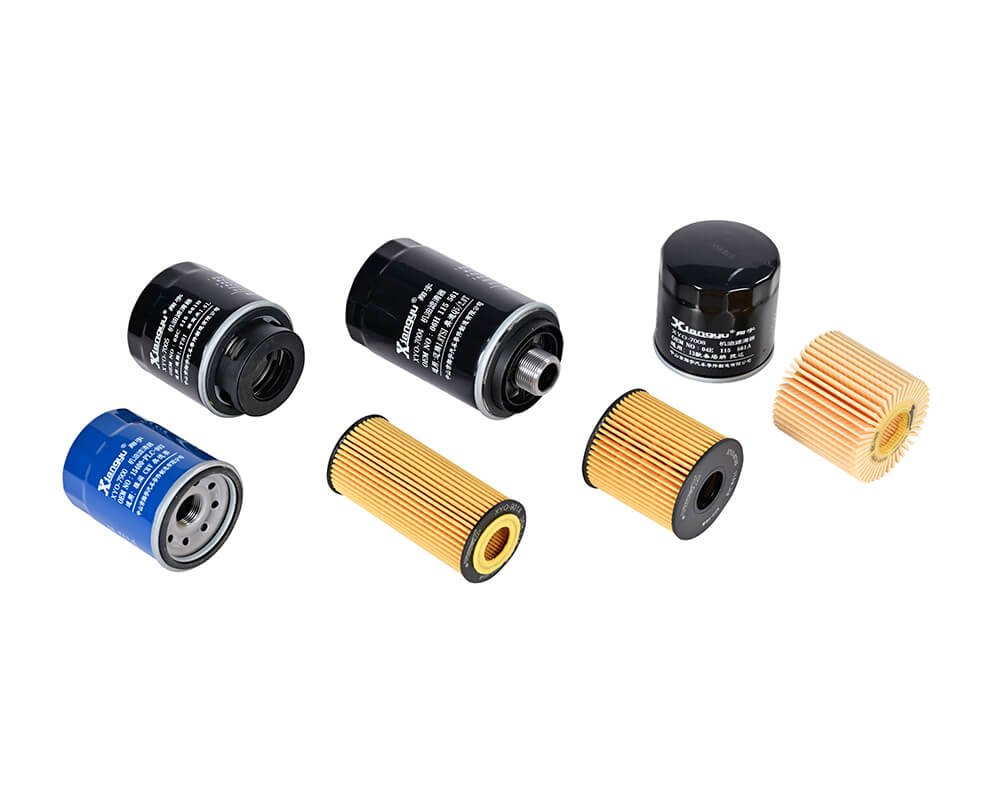
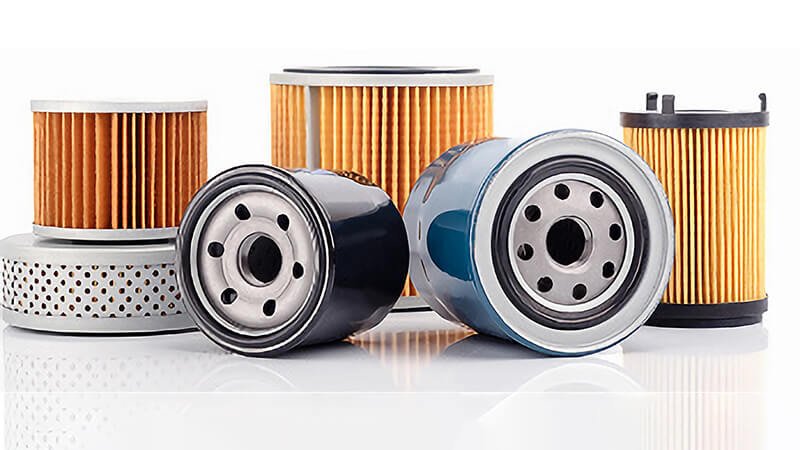
A new filter has tight pleats made from cellulose-glass blends. Oil enters at the outer shell, passes through tiny pores, and exits clean. The media’s fiber size, resin bond, and pleat depth give it a fixed dust-holding1 number, usually rated in grams.
Key numbers from our lab
| Spec | New Runex Filter | After 1 Cycle | After Reuse Attempt |
|---|---|---|---|
| Dust-holding (ISO 4548) | 10 g | 0 g left | Media breaking up |
| Collapse pressure | 8 bar | 7 bar | 2 bar (unsafe) |
| Efficiency at 25 µm | 99% | 96% | <60% |
When the filter is reused, trapped sludge blocks flow. Oil squeezes through weak spots. The media tears. Even the best bypass valve cannot save the situation because torn media sends grit everywhere.
Real-world chain reaction
- Pressure drop rises.
- Pump works harder, wasting fuel.
- Hot, thin oil forces sludge off pleats.
- Cam lobes and bearings score.
- Metallic debris returns to the filter and piles up faster.
I have seen this spiral on a fleet of taxis. One reused filter triggered three engine swaps in a single month—all to save less than the price of lunch per vehicle.

Can you clean a disposable oil filter?
I used to be curious, too. Could a solvent bath work? Short answer: no.
A disposable oil filter cannot be cleaned because its media disintegrates on contact with water, solvent, or compressed air. Hidden debris stays trapped, so the filter never returns to factory spec.
Why cleaning destroys the media
What the media is made of
- Cellulose fibers2: swell when wet, lose structure.
- Synthetic strands: melt in strong solvents.
- Resin binders: crack under heat when you try to dry the element.
Test results from attempted cleaning
| Cleaning Method3 | Visible Dirt Removed | Microscopic Contaminants Left | Media Integrity |
|---|---|---|---|
| Hose water | 40% | 95% | Fiber swelling |
| Kerosene soak | 60% | 70% | Resin dissolve |
| Brake-clean spray | 65% | 60% | Pleat tearing |
| 90 psi air | 20% | 100% | Pleats ripped |
Even after the “best” rinse, over half the micro-particles lodge deep in the fibers. Those particles include silica, iron filings, and carbon grit. They are smaller than a human hair yet hard enough to scratch hardened steel.
My field story
A small garage in Leeds tried a “recycle plan.” They soaked filters in diesel overnight and blew them out in the morning. Six weeks later, five customer cars came back with low-oil-pressure warnings. The garage had to eat the repair bills and abandon the plan. Their savings lasted thirty days; their losses lasted the rest of the year.

What happens if you reuse a filter?
The danger is not slow. It accelerates. I watched one bypass valve open every mile because the pleats were packed tight.
When you reuse a filter, unfiltered oil cuts bearing surfaces, clogs tiny oil jets, and creates heat spots. The engine wears out long before its design life.
Step-by-step damage inside the engine
1. Abrasive pathway4
Unfiltered oil hits cam journals first. The soft babbitt layer on bearings flakes off.
2. Hot spots grow5
Friction heats surfaces. Oil loses viscosity faster. Thinner oil means even less film strength.
3. Chain effect on other parts
Metal bits from bearings move to the timing chain, lifters, and turbo (if fitted). A turbo spins up to 200 k rpm; even one grain of sand can chip the compressor wheel.
| Engine Part | Damage Mechanism | Time To Failure After Reuse |
|---|---|---|
| Main bearings | Sliding abrasion | 5,000–10,000 km |
| Camshaft lobes | Scuffing, pitting | 8,000–12,000 km |
| Turbocharger shaft | Particle impact, oil starvation | 2,000–5,000 km |
| Oil pump gears | Scoring, reduced flow | 10,000–15,000 km |
Economic perspective
A quality filter costs under 5 USD in bulk. A crankshaft kit costs 800 USD plus labor. That is a 160:1 cost difference. My client who tried to save on filters spent 6,000 USD per van to keep his delivery schedule on track. He never argued about filter budgets again.

How many times can an oil filter be used?
I appreciate the desire for a clear number. The answer is simple and firm.
A disposable oil filter can be used once. Not twice. Not “one and a half.” Single cycle only.
Cycle life versus oil life
Modern oils last longer, yet filters do not. Extended-drain synthetic oil still sheds soot, acid, and wear metals. If you keep the oil in longer, you need an even better filter—never a reused one.
Comparison chart
| Service Plan | Oil Change Interval | Filter Change Interval | Safe? |
|---|---|---|---|
| Normal mineral oil, 5,000 km | 5,000 km | 5,000 km | ✅ |
| Synthetic oil, 10,000 km | 10,000 km | 10,000 km (premium) | ✅ |
| Synthetic oil, reused filter6 | 10,000 km | 0 km (reused) | ❌ |
| Long-life oil, new premium filter7 halfway | 20,000 km | 10,000 km | ✅ |
Cartridge and reusable designs
Some engines use a cartridge element in a reusable housing. That element is still disposable, even if the housing is not. True washable metal filters exist for racing, yet they require ultrasonic cleaning and microscopic inspection. They cost thirty times more than a standard element and fit only special engines.
If your vehicle uses a spin-on can, follow the simple rule: spin it off at every oil change and replace it with a fresh, certified filter.

Conclusion
I measure risk in dollars and downtime. Reusing a disposable oil filter8 turns pennies saved into fortunes lost. One cycle is the rule. Cleaners, solvents, and creative hacks cannot restore the filter media. When the media is full, the filter is finished. Spend on fresh filters. Protect the engine. Protect your reputation.
-
Learn about dust-holding capacity to ensure your engine runs smoothly and efficiently. This knowledge can prevent costly repairs. ↩
-
Understanding cellulose fibers can help you grasp why they swell when wet and lose structure, crucial for media integrity. ↩
-
Exploring effective cleaning methods can prevent damage to media, ensuring longevity and performance in various applications. ↩
-
Understanding the abrasive pathway can help you prevent costly engine damage and improve longevity. ↩
-
Learn how hot spots can lead to oil breakdown and engine failure, ensuring your engine runs smoothly. ↩
-
Learn why using a reused filter can be detrimental to your engine's health and performance, ensuring you make informed maintenance choices. ↩
-
Discover the advantages of premium filters and how they can enhance your engine's efficiency and lifespan. ↩
-
Knowing the best OEM oil filter from Runex Auto, and click this link to get your best solution and price. ↩