Skip to content
What happens if you mix different brands of brake pads?
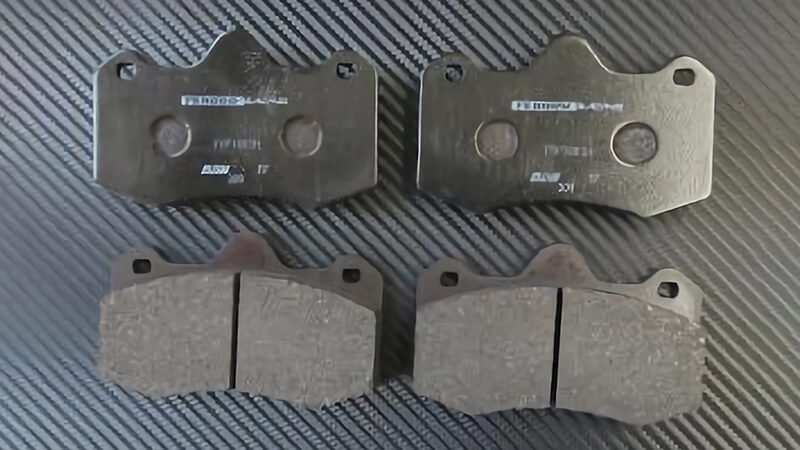
Mixing brake pad brands to cut costs may seem smart—but it usually backfires. Uneven wear, noise, and poor braking balance are common outcomes. Using different brands of brake pads can lead to inconsistent performance, increased wear, and customer dissatisfaction. It’s not worth the risk for short-term savings. Brake systems rely on balance and symmetry. When […]
Should I replace brake pads and rotors at the same time?
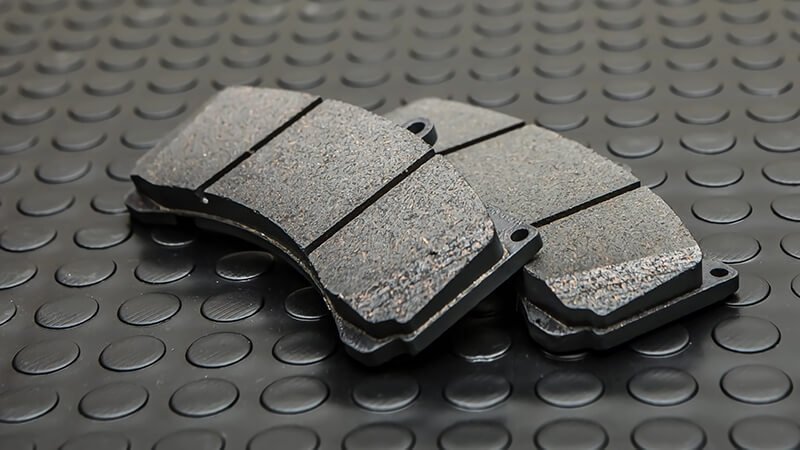
When it comes to brake maintenance, many buyers try to cut corners. But ignoring the rotor during a brake pad replacement could cost you more in the long run. Yes, replacing brake pads and rotors together helps ensure full surface contact, smoother braking, and longer part life. It reduces returns and increases customer satisfaction—something I’ve […]
Are brake pads supposed to touch the rotor?
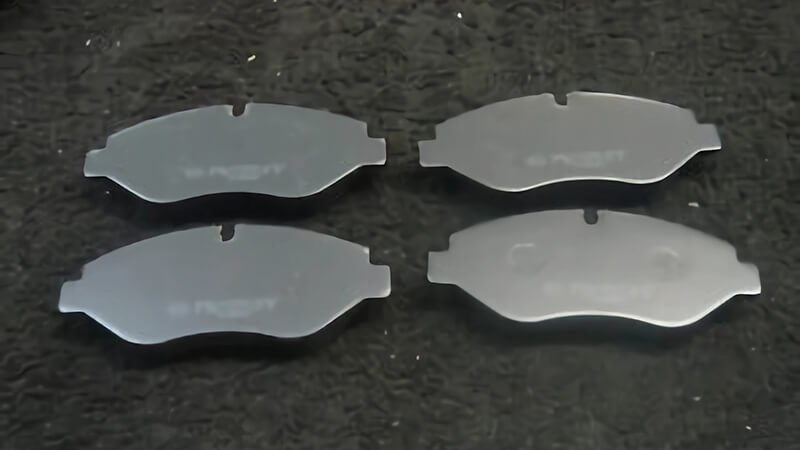
Many buyers believe brake pads should only touch the rotor when the brake pedal is pressed. This sounds logical—but it’s not how disc brakes actually work. Misunderstanding this can lead to returns, complaints, or even safety risks. Yes, brake pads are supposed to lightly touch the rotor even when the brakes are not applied. This […]
What happens if you put grease on brake pads?
When it comes to vehicle safety, brake performance is everything. But a simple mistake, like applying grease to brake pads, can turn a reliable system into a dangerous liability. Putting grease on brake pads destroys friction and can lead to total brake failure. Grease contaminates the pad surface, reduces stopping power, and increases stopping distance—making […]
How many miles should brake pads and rotors last?

When should I replace my brake pads and rotors? This question comes up all the time. If you run a parts business or manage procurement like Joe at Carlson Auto, you know that late replacements mean safety risks—and early replacements mean wasted money. Either way, poor timing costs you. Most brake pads last between 30,000 […]
Can you change brake pads with the parking brake on?

Changing brake pads may sound simple, but one small mistake—like leaving the parking brake engaged—can lead to major damage or injury. Too often, people overlook this detail, assuming it’s not important. You should never attempt to change brake pads while the parking brake is on. It puts stress on the caliper, especially in rear disc […]
What happens if brake fluid gets on brake pads?

Brakes save lives, yet most drivers overlook tiny leaks that can destroy them. A few drops of brake fluid on the pads turn reliable stopping power into a risky guess. Brake fluid ruins pad friction. Once soaked, pads cannot grip the rotor, and stopping distance grows dangerously long. Replacement is the only safe fix. When […]
Is it bad to put new brake pads on rusty rotors?
I know the temptation: slap on new pads, ignore the rusty rotors, and hope for the best. I’ve watched that shortcut turn routine services into repeat repairs. Yes. New brake pads on rusty rotors almost always lead to uneven wear, noise, and longer stopping distances, forcing a second replacement far sooner than planned. I built […]
Why do brake pads wear faster than rotors?

Modern brakes are clever but simple. They make one part age fast so the rest of the system stays healthy. That ageing part is the brake pad. Brake pads wear out faster than rotors because pads are softer and grip harder. They hold the heat, take the friction, and spare the rotor from damage, so […]
Is it recommended to only replace the front brake pads?

I see many drivers worry about brake costs, stall, and risk. The temptation is strong to swap only the worn pads and move on. Yes. Replacing only the front brake pads is fine when the rear pads still have safe thickness, as long as you inspect the whole system and confirm even braking balance. We […]